



Voice cloning AI has become a transformative tool for content creators, marketers, and social media managers. This guide evaluates leading voice cloning platforms in 2026 by examining their features, underlying technologies, and practical applications. Readers will find a concise review of recent advances in AI voice synthesis, the core capabilities that distinguish top platforms, and how these tools improve content production and engagement. With demand for personalized audio rising, understanding voice cloning capabilities is essential for effective deployment. The article reviews leading technologies, the role of neural voice synthesis, and the offerings of Syllaby , an AI content creation platform specialising in voice cloning.
Recent advances in deep learning have expanded the functionality and commercial applications of voice synthesis.
Voice Synthesis Business: Features, Use Cases & Market Players
Developments in deep learning have broadened the scope of deliverable voice synthesis functionalities, leading to growth in commercially viable use cases. The study reviews technology features and use cases that attracted attention and investment in recent years, and it identifies major players and new entrants in the market. The voice synthesis business: 2022 update, R Dale, 2022
Which AI Voice Cloning Technologies Define the Best Platforms in 2026?
In 2026, several voice cloning approaches stand out for their innovation and capability. Platforms rely on advanced algorithms and machine learning to generate realistic, configurable voice outputs. Key technologies include neural networks for high-quality synthesis and deep learning models that improve replication accuracy. Together, these technologies enable voices that mirror human speech patterns, intonation, and emotional cues.
Market trends show growing demand for multi-language support and high-fidelity replication. Businesses and creators targeting diverse audiences need localized audio. Advances in voice customization also allow users to align outputs with specific brand identities and audience preferences.
How Does Neural Voice Synthesis Enhance AI Voice Cloning Accuracy?
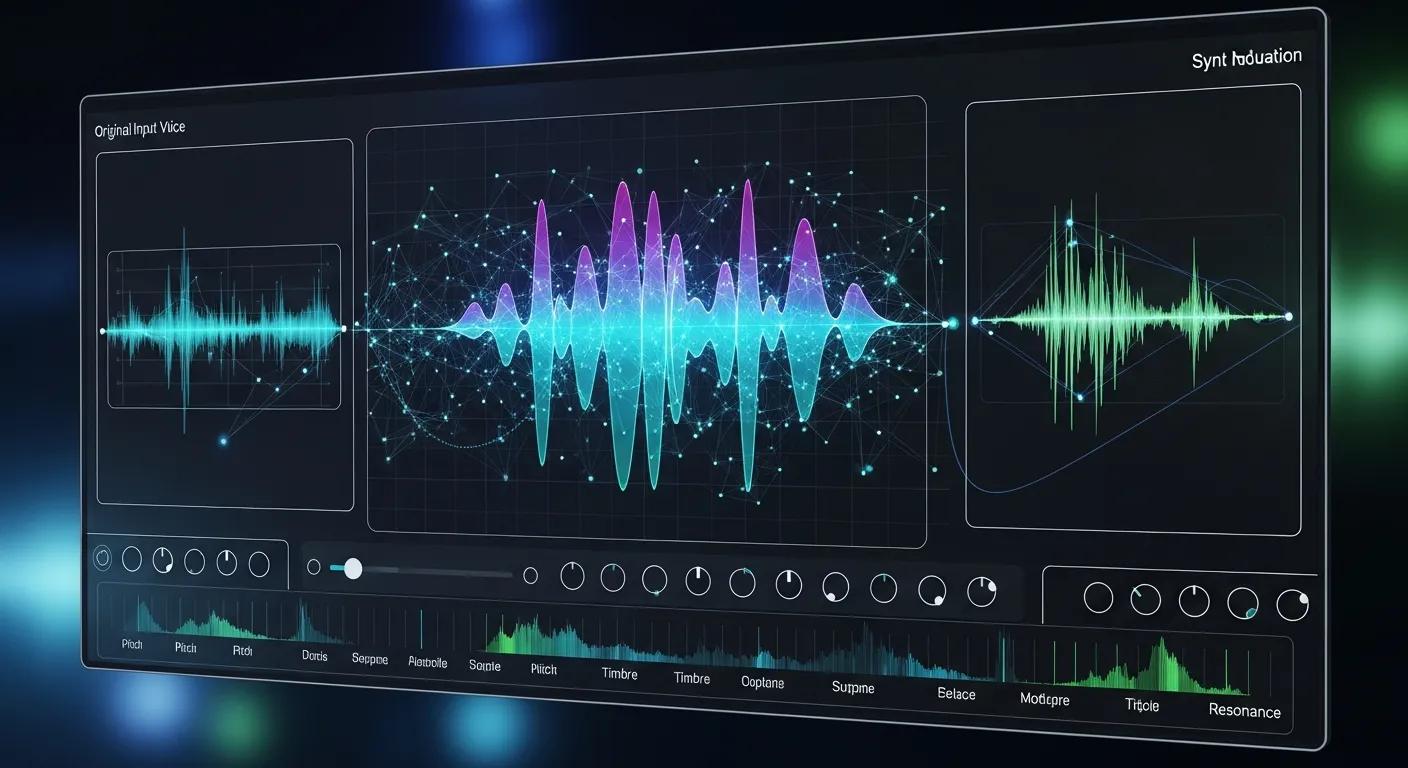
Neural voice synthesis improves cloning accuracy by applying deep learning to large voice datasets to capture speech nuances. The approach produces natural-sounding output that more reliably conveys intended emotions and inflections.
Models learn from existing voice samples and generate speech that closely resembles the original speaker. For content creators, this reduces recording time and cost while delivering consistent, high-quality audio.
What Are the Key Features of Advanced AI Voice Cloning Tools?
Advanced AI voice cloning tools provide several core features that improve usability and results. These features include:
- High-Quality Voice Replication : Utilizing neural networks, these tools can produce voices that sound remarkably human-like, capturing subtle nuances in tone and pitch.
- Customization Options : Users can modify voice characteristics, such as accent, gender, and emotional tone, to create a unique audio experience tailored to their audience.
- Multi-Language Support : Many platforms now offer the ability to generate voice content in multiple languages, making it easier for businesses to reach global markets.
Together, these features enable more engaging, personalized content and help users connect with audiences more effectively.
| Feature | Description | Benefit |
|---|---|---|
| High-Quality Voice Replication | Produces natural-sounding voices | Enhances listener engagement |
| Customization Options | Allows modification of voice attributes | Tailors content to specific audiences |
| Multi-Language Support | Generates content in various languages | Expands market reach |
The table illustrates how advanced features contribute to improved audio quality and campaign effectiveness.
How Does Syllaby’s AI Voice Cloning Platform Personalize and Scale Voice Content?
Syllaby’s platform personalizes and scales voice content by applying neural voice synthesis to generate customized outputs that align with target audiences. This capability supports consistent brand voice across channels and content types.
Syllaby is built to support high-volume audio production, enabling marketers and social media managers to generate content efficiently. Integration with other content tools further streamlines workflows and increases utility for professional teams.
What Personalization Capabilities Does Syllaby Offer for Content Creators?
Syllaby provides personalization features that allow creators to tailor audio outputs effectively. These include:
- Customizable AI-Generated Voices : Users can create unique voice profiles that reflect their brand’s identity.
- Voice Cloning Features : The platform allows for the cloning of specific voices, enabling creators to maintain consistency in their audio branding.
- Editing Tools : Syllaby provides intuitive editing tools that allow users to fine-tune their audio content, ensuring it meets their specific needs.
These capabilities help creators produce high-quality, branded audio that supports their messaging strategies.
How Does Scalability Improve Social Media Content and Lead Generation?
Scalability enables organisations to produce large volumes of audio without sacrificing quality, supporting consistent messaging and stronger brand recognition.
Scalable voice content can be deployed across campaigns—from targeted advertisements to social posts—allowing teams to respond rapidly to trends and audience preferences, which can increase engagement and conversions.
What Are the Leading Use Cases for AI Voice Cloning Among Content Creators and Marketers?
Common use cases for content creators and marketers include:
- Personalized Voiceovers : Content creators can use AI-generated voices for videos, podcasts, and other media, enhancing the overall production quality.
- Audiobook Production : Authors and publishers can create audiobooks with high-quality voice narration, reaching a broader audience.
- Marketing Campaign Content : Businesses can produce customized audio ads that resonate with their target demographics, improving campaign effectiveness.
These examples demonstrate the technology’s versatility across formats and channels.
How Is Voice Cloning Used to Enhance Social Media Engagement?
Realistic voiceovers help brands produce content that resonates, fostering familiarity and trust with audiences.
AI voice generation also enables rapid content production, which helps brands remain relevant on fast-moving social platforms and supports more authentic, personalized interactions.
What Role Does AI Voice Synthesis Play in Marketing and Lead Generation?
AI voice synthesis enables personalized audio content that can increase engagement. Tailored voice characteristics help messages align with specific audience segments and improve impact.
The efficiency of AI voice synthesis accelerates audio production and reduces costs associated with traditional recording methods.
What Pricing and Subscription Models Are Available for Top Voice Cloning AI Platforms?
Understanding pricing and subscription models is essential when evaluating voice cloning platforms. Many providers use tiered pricing structures to address different user needs. Common models include:
- Basic Plans : Typically include essential features for individual users or small teams.
- Standard Plans : Offer additional features and capabilities for growing businesses.
- Premium Plans : Provide advanced functionalities and higher usage limits for larger organizations.
Tiered plans enable organisations to select options that match their requirements and budgets while securing necessary tools for effective content production.
How Do Subscription Plans Differ Across Leading AI Voice Cloning Services?
Plans vary in feature sets, pricing, and usage limits. Key distinctions commonly include:
- Feature Set : Some platforms may offer more advanced customization options or additional languages.
- Usage Limits : Plans may differ in the number of voice outputs allowed per month or the length of audio content that can be generated.
- Support Services : Higher-tier plans often include enhanced customer support and training resources.
Evaluating these differences is crucial to choosing a platform that aligns with organisational goals and workflows.
What Are the Cost Benefits of Scalable Voice Cloning Solutions?
Scalable voice cloning solutions deliver cost benefits that affect an organisation’s bottom line. These include:
- Reduced Costs : By automating voice generation, businesses can save on the expenses associated with hiring voice actors and studio time.
- Time Savings : The ability to quickly produce high-quality audio content allows teams to focus on other critical aspects of their marketing strategies.
- Operational Efficiency : Streamlined content production processes lead to improved overall efficiency, enabling businesses to respond more rapidly to market demands.
These benefits make scalable voice cloning an attractive option for organisations seeking to optimise content production.
What Ethical and Legal Considerations Should Users Know About AI Voice Cloning in 2026?
As voice cloning capabilities advance, users must account for key ethical and legal issues. These include:
- Consent Requirements : Obtaining consent from individuals whose voices are cloned is essential to avoid legal repercussions.
- Disclosure of Synthetic Elements : Transparency about the use of AI-generated voices is crucial for maintaining trust with audiences.
- Attribution and Copyright Considerations : Users should understand the legal implications of using cloned voices in their content, particularly regarding copyright laws.
Awareness of these considerations supports responsible and compliant use of voice cloning technology.
Real-time voice cloning offers powerful capabilities but also raises significant ethical concerns and misuse risks.
Real-Time Voice Cloning: AI Advancements & Ethical Considerations
Real-Time Voice Cloning (RVC) enables near-instant replication of voice nuances from only a few seconds of sample audio. RVC can enhance personalization, bridge communication gaps, and create immersive experiences, but it also presents clear risks of misuse, ethical dilemmas, and deepfake audio. Real-Time Voice Cloning: Artificial Intelligence to Clone and Generate Human Voice, P Sharma, 2024
How Is Ethical Use of AI Voice Cloning Ensured?
Ethical use requires implementing best practices such as:
- Consent-First Policies : Platforms should prioritise obtaining explicit consent from individuals before using their voices for cloning.
- Human Review and Fact-Checking : Implementing a review process can help ensure that the content produced is accurate and ethically sound.
- Bias Audits : Regular audits can help identify and mitigate any biases present in the AI models, promoting fairness and inclusivity.
Adhering to these practices promotes a responsible approach to deploying voice cloning.
What Legal Guidelines Govern Voice Cloning Technology?
Legal guidance is evolving as the technology becomes more prevalent. Key points include:
- Consent and Disclosure Requirements : Users must obtain consent from individuals whose voices are cloned and disclose the use of synthetic voices in their content.
- Human Oversight : Ensuring that human oversight is involved in the content creation process can help mitigate potential legal issues.
- Copyright Considerations : Users should be aware of copyright laws that may apply to the use of cloned voices, particularly in commercial contexts.
Understanding these guidelines is essential for lawful and compliant use of voice cloning technologies.
Specific risks to consumer protection and potential manipulation in digital marketing underscore the need for robust countermeasures.
Voice Cloning Risks: Consumer Protection & Digital Marketing Strategies
AI voice cloning creates opportunities for innovation while introducing risks of consumer manipulation in digital marketing. The study examines potential misuse and recommends strategies such as detection technology, raising consumer digital literacy, and implementing stronger internal policies. Consumer Protection Strategies through Legal and Management Perspectives in the Era of Voice Cloning, SR Ummah, 2024
To explore capabilities in more detail, review the AI voice cloning features offered by various platforms.
For organisations looking to apply AI to content workflows, Syllaby’s industry-specific solutions provide practical, tailored strategies.
If you have questions or require assistance, please contact us for further information.
To assess investment needs, review the pricing options available across platforms.
Frequently Asked Questions
What are the potential applications of AI voice cloning in education?
AI voice cloning can enhance education by enabling personalized audio lessons, audiobooks, and interactive modules. It supports language learning with realistic pronunciation examples and helps make content more accessible across learning styles.
How does voice cloning impact accessibility for individuals with disabilities?
Voice cloning improves accessibility by providing AI-generated voices for users who cannot speak and by creating tailored audio for visually impaired learners. These capabilities increase access to information and support inclusive engagement with media.
What are the privacy concerns associated with AI voice cloning?
Privacy concerns focus on consent and data security. Organisations must obtain explicit permission before cloning a voice and implement secure storage and handling of voice data to prevent breaches and misuse.
Can AI voice cloning be used for real-time applications?
AI voice cloning can operate in real time for live broadcasting, interactive voice response, gaming, virtual reality, and customer service. Real-time capability enables immediate voice replication, enhancing personalised experiences while reducing production time.
What advancements are expected in AI voice cloning technology in the near future?
Expected advancements include improved realism and emotional expressiveness, finer control over intonation, and more efficient synthesis algorithms. These enhancements should broaden practical applications and improve usability.
How can businesses ensure ethical practices when using AI voice cloning?
Businesses should adopt a governance framework centred on transparency and consent. This includes obtaining explicit permission, disclosing AI use to audiences, conducting regular ethical audits, and ensuring compliance with legal standards to mitigate bias and risk.
Conclusion
AI voice cloning delivers measurable benefits for content creators and marketers, including improved personalization, scalability, and cost efficiency. Responsible deployment requires attention to ethical and legal considerations. Platforms such as Syllaby enable production of high-quality audio that aligns with audience needs and brand objectives. Evaluate voice cloning strategically to strengthen your content programme.