




As video becomes the backbone of modern marketing, creators face a clear choice: use a faceless video AI generator or stick with traditional editing. Below we map how each approach works, where they win, and the trade‑offs to expect. You’ll also see when a hybrid workflow makes sense and how platforms like Syllaby speed the whole process — from concept to scheduled posts.
What is a faceless video AI generator and how does it work?
A faceless video AI generator turns scripts, bullet points, or themes into finished videos without on‑camera talent. It combines automated editing, AI avatars, and voice synthesis to assemble visuals, narration, and pacing based on the inputs you provide. The result: polished videos produced with much less setup than a traditional shoot.
How do AI avatars and voice cloning improve faceless video production?
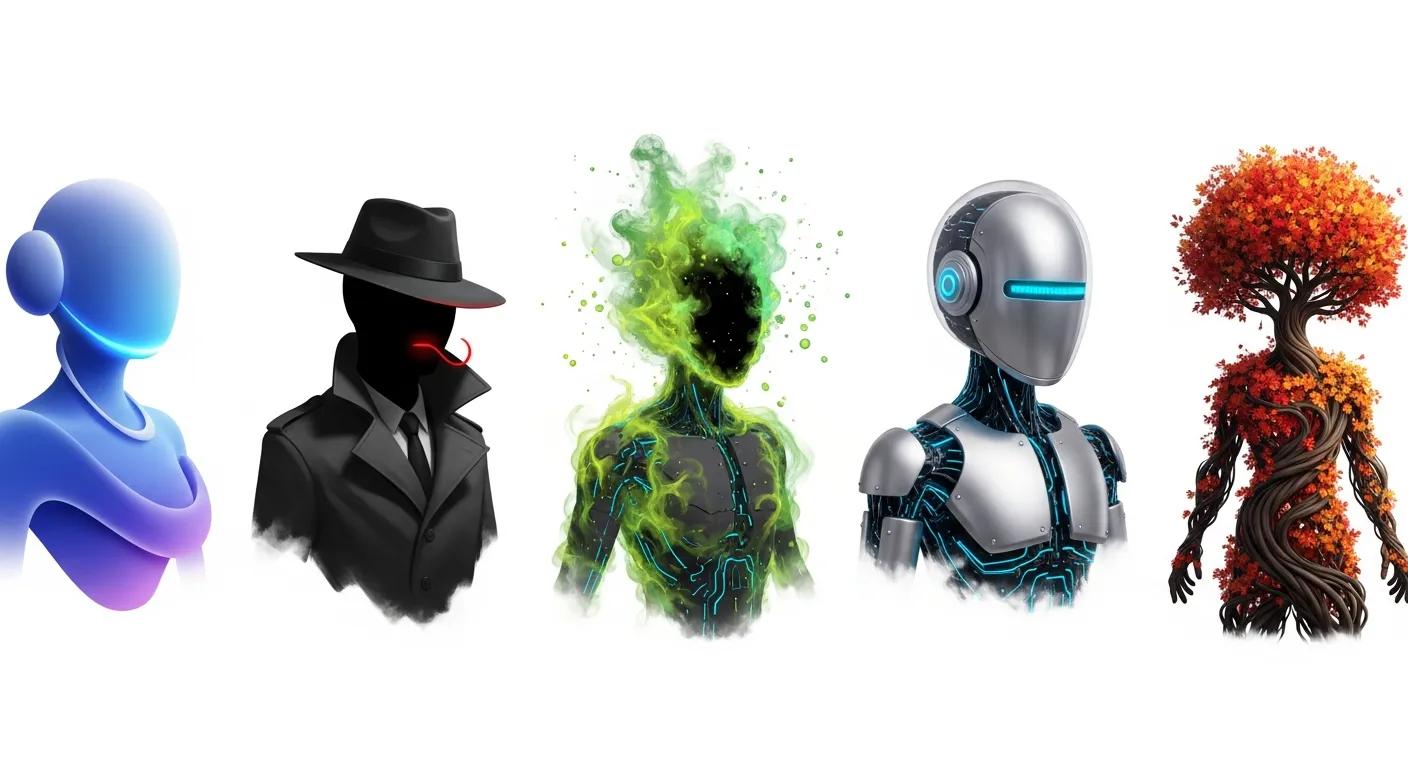
AI avatars give your content a consistent on‑screen presence without needing a human actor. Voice cloning creates realistic, repeatable narration that matches the avatar’s tone. Together they make faceless videos feel intentional and familiar — which helps viewers stick around. Smart creators lean into distinctive avatars and voice styles to build recognition across a series.
What are the key benefits of using AI for faceless video creation?
AI brings three clear advantages to faceless video production: speed, lower cost, and wider accessibility.
- Time efficiency: AI automates scripting, editing, and assembly so you can move from idea to publish far faster than a manual workflow.
- Cost-effectiveness: By removing the need for on‑set crews, paid talent, and lengthy post production, AI can dramatically lower per‑video costs.
- Accessibility: Intuitive interfaces let non‑technical team members produce professional videos without specialized editing skills.
| Benefit | Description | Impact Level |
|---|---|---|
| Time Efficiency | Shortens production cycles through automation | High |
| Cost-Effectiveness | Reduces expenses by cutting talent and equipment needs | High |
| Accessibility | Lets non‑editors create broadcast‑ready videos | Medium |
The right platform — like Syllaby — ties these benefits together, taking you from idea to schedule with fewer handoffs.
How does AI video editing save time and reduce costs?
AI handles repetitive tasks — cutting, trimming, captioning, tempo adjustments — so editors can work on higher‑value creative choices. Industry reports suggest AI workflows can cut editing time by roughly 50–70%, and they avoid recurring costs tied to freelance editors and expensive software licenses. Check our pricing to see how that scales for teams.
Research consistently shows AI tools streamline production and lower resource needs, especially for volume-driven content programs.
AI for Efficient Video Production& Editing AI streamlines routine production tasks — from basic edits to color correction and motion work — cutting time and cost. Generative models (including GANs) also expand what’s possible for realistic effects and 3D elements that used to demand specialized teams and long timelines. The impact of artificial intelligence on the production and editing of audiovisual content, I Gavran, 2025
Why is character consistency important in AI‑generated videos?
Consistent characters — the same avatar, voice, or style across episodes — build recognition and trust. Viewers notice repetition; a steady character turns sporadic views into a familiar series, which boosts recall and loyalty over time.
What are the advantages of traditional video editing?
Traditional editing still has distinct strengths: human editors deliver nuanced creative control and emotional precision that are hard for automated systems to match.
- Creative control: Manual editing lets you fine‑tune pacing, framing, and transitions to shape narrative and mood exactly how you want it.
- Emotional depth: Editors make choices based on audience intuition — a cut, a pause, or a score can amplify feelings in ways automation may miss.
How does traditional editing deliver creative control and emotional depth?
With hands‑on editing, you can experiment — layer sound, adjust timing, or craft visual metaphors — to create a distinct emotional arc. Those choices make content feel bespoke and human, which often drives deeper audience connection.
What are the limitations of AI video generators and traditional editing?
Both approaches work well in different contexts — but each has limits you should weigh.
- Limitations of AI-generated videos: AI can produce polished outputs quickly, but it sometimes misses subtle storytelling beats and can default to generic patterns.
- Challenges of traditional editing: Manual workflows require more time, specialized talent, and budget — which can slow scale and increase cost per asset.
What are the common drawbacks of AI‑generated faceless videos?
Common issues include overly template‑based results or an inability to capture a brand’s nuanced voice without careful input and post‑production tweaks. AI is best when guided by clear direction and human review.
Why is traditional editing time‑consuming and costly?
Traditional production involves filming, multiple edit passes, color grading, sound mixing, and revisions — each stage adds time and expense. High production values typically mean hiring specialists and using premium gear, which raises the barrier for smaller teams.
Which is better: AI faceless video generation, traditional editing, or a hybrid approach?
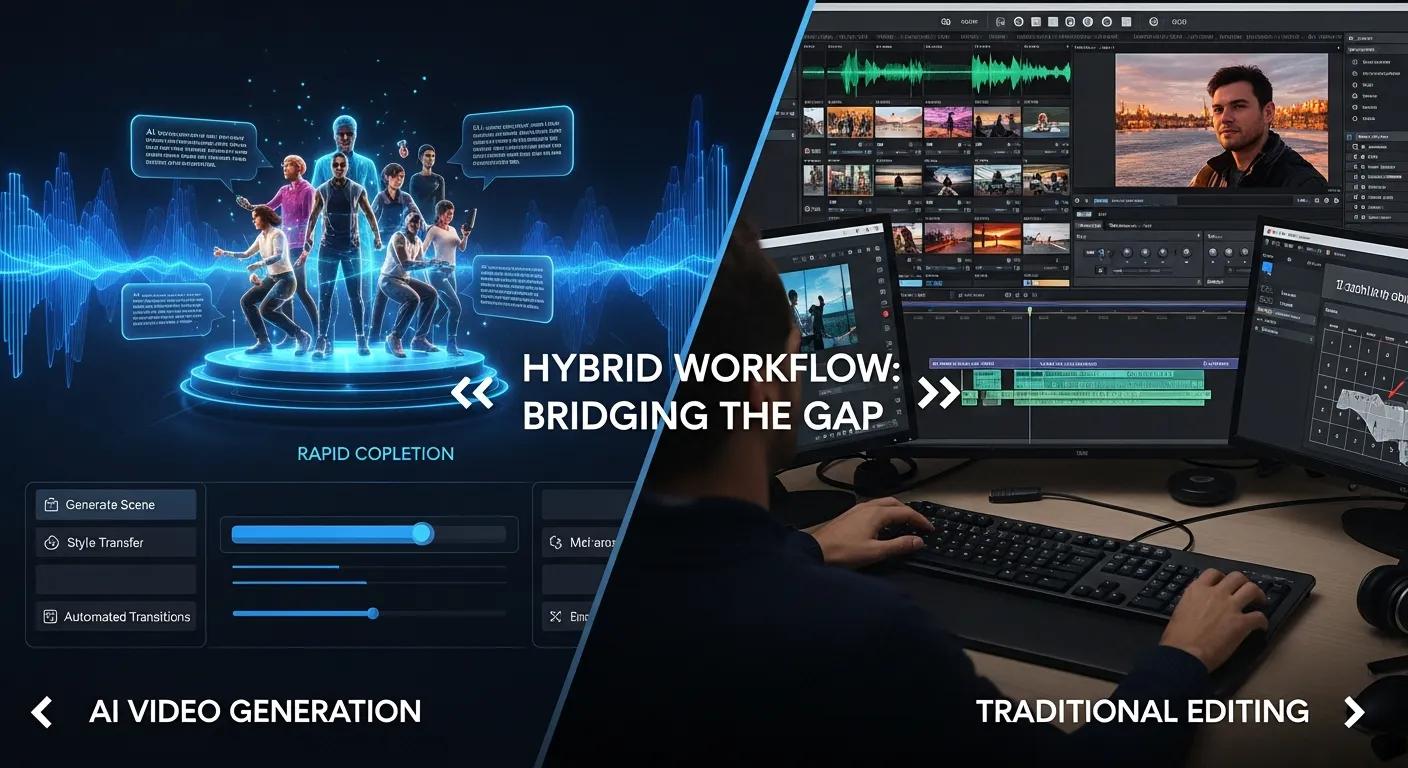
There’s no one‑size‑fits‑all answer. Goals, budget, and cadence determine the right path. Many teams find a hybrid workflow gives the best balance: speed plus the human polish where it matters.
- Benefits of a hybridapproach: Use AI to produce drafts, captions, and bulk assets, then apply manual editing to lift storytelling and emotion. That combo accelerates output without sacrificing quality.
- How combining AI and manual editingoptimizes production: For example, generate a rough cut with AI, then have an editor refine timing, sound design, and branding — faster overall, with stronger final results.
What role does Syllaby play in modern video production?
Syllaby provides an AI‑first workflow that connects ideation, script generation, editing, and scheduling. It’s built to help teams move from concept to distribution faster, while leaving room for human edits where they add the most value.
How are AI video generators shaping the future of video content and social media?
AI is changing production expectations: creators can produce more content, faster, and tailor it to platforms, formats, and audiences — which shifts how brands plan editorial calendars and measure impact.
- Market growth statistics: Forecasts project rapid growth in AI video tools, with estimates around a 30% CAGR over the coming years — reflecting strong demand for efficient content pipelines.
- Trends in social mediacontent creation: As platforms reward frequent, native video formats, AI helps creators keep a steady cadence without proportionally increasing headcount.
What are the latest market growth and adoption statistics for AI video tools?
Recent industry reports show rising adoption: more teams report faster production cycles and lower costs after integrating AI tools, especially for repeatable formats like explainers, promos, and social clips.
Why are faceless videos becoming popular among content creators?
Faceless formats scale well, preserve creator anonymity when needed, and remove barriers tied to on‑camera performance. For many creators, that freedom translates into more consistent publishing and clearer focus on messaging.
| Trend | Description | Impact Level |
|---|---|---|
| Increased Adoption | More creators are using AI tools for video production | High |
| Versatility of Faceless Videos | Enables varied content without on‑camera talent | Medium |
| Cost Reduction | AI tools lower production expenses | High |
Rising interest in faceless and AI‑generated videos shows a broader shift toward scalable, accessible production models — especially for teams that need volume without exploding budgets.
Frequently Asked Questions
What types of content work best for faceless video AI generation?
Faceless AI works best for educational explainers, product overviews, tutorials, and many marketing formats that rely on clear visuals and narration rather than on‑screen personalities. It’s ideal when you need consistent, repeatable content at scale.
How can I ensure the quality of AI‑generated videos?
Start with a detailed script and brand guidelines. Use AI to produce the base asset, then review and tweak visuals, timing, and voice to match your tone. Platforms that allow customization (like Syllaby) make those refinements straightforward.
Are there ethical concerns with using AI in video production?
Yes. Key issues include copyright, misinformation, and the transparency of AI‑generated media. Be clear with your audience when content is AI‑assisted and avoid misrepresenting real people. Follow licensing rules and ethical guidelines for synthetic voices and likenesses.
Can AI‑generated videos be personalized for different audiences?
Absolutely. AI makes it easy to swap scripts, visuals, or voice tones to match audience segments. With audience data, you can produce multiple tailored versions of the same core message to improve relevance and engagement.
What are the future trends in AI video generation technology?
Expect deeper personalization, more realistic voices and avatars, and tighter integrations with AR/VR and interactive formats. As models improve, AI will produce richer, more platform‑specific video experiences.
How do I choose between AI video generation and traditional editing for my project?
Match the method to your goals. Use AI when you need speed and volume. Choose traditional editing when nuance, brand storytelling, and emotional impact are top priorities. For many teams, a hybrid approach — AI for drafts and humans for final polish — is the most efficient path.
Conclusion
Your choice depends on goals and scale. Faceless AI generators unlock speed and cost savings; traditional editing delivers emotional nuance and bespoke storytelling. Combining the two lets you publish more while keeping the moments that need human care. Explore how Syllaby can fit into your workflow and help you produce better video, faster.