




As video demand grows, faceless video AI generators are becoming essential tools for teams and creators. They let you produce polished, on‑brand videos without stepping in front of a camera — trimming costs and speeding up production. This page walks through the core features to prioritize: smart script tools, realistic voice cloning, text‑to‑video scene generation, avatar consistency, and workflow integrations. Read on to understand how each capability saves time and improves results so you can pick the right platform for your needs.
What Is a Faceless Video AI Generator and Why It Matters
A faceless video AI generator is software that creates videos using AI systems instead of live presenters. For teams that need speed, scale, or anonymity, this technology automates the most time‑consuming parts of production — from scripting to voiceover — so you can focus on the message, not logistics.
These tools make video production more accessible: marketers, educators, and businesses can publish professional videos without hiring actors or running complex shoots. The biggest wins are lower cost, faster turnaround, and the ability to produce large volumes of content while keeping quality consistent.
How Faceless Videos Speed Up Content Production
Faceless video tools remove repetitive steps from the workflow. AI can draft scripts from a short brief, generate voiceovers, and assemble scenes automatically — cutting hours or days from a typical production cycle. That means faster publishing and more iterations to test what actually moves your audience.
Most platforms also include templates and customization options, so even creators with minimal editing experience can produce clean, engaging videos that feel intentional and on brand.
Key Advantages of Using AI for Faceless Video Production
AI-driven faceless video production reduces spend on talent and crew, leveling the playing field for startups and small teams. It also raises baseline quality through features like script optimization and voice tuning, which help your content perform better.
Finally, AI scales easily: you can spin up multiple localized or variant videos quickly — ideal for social campaigns or rapid learning content where timing and volume matter.
Which AI Script Features Drive Better Faceless Videos?
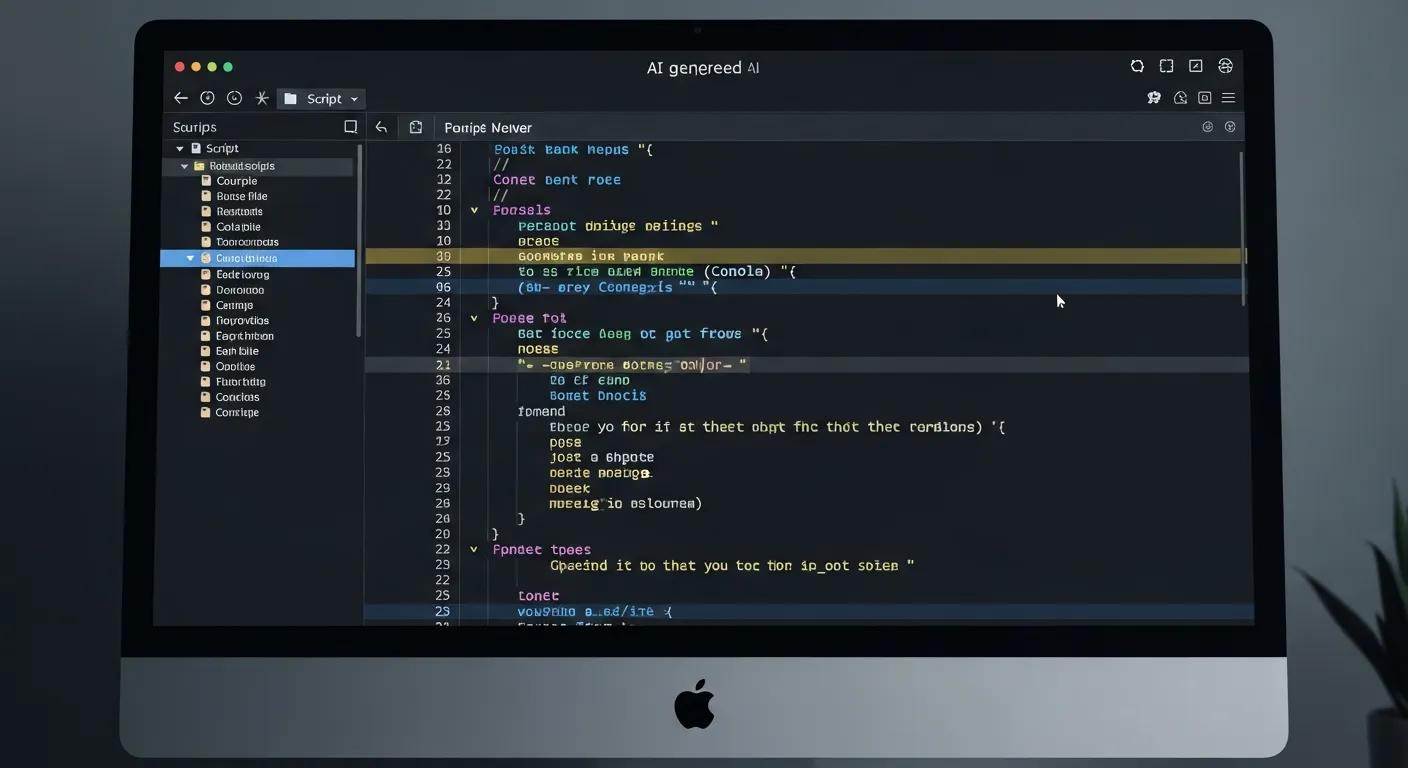
AI script tools are the backbone of efficient faceless video production. They take a short brief or a few keywords and return structured, audience‑ready scripts — freeing creators from blank‑page paralysis and helping teams keep a consistent message across videos.
Syllaby’s script generator goes beyond drafts: it suggests pacing, hooks, and format tweaks based on what works on each platform, so your scripts are both efficient and effective.
How AI Script Generation Simplifies Idea Work and Writing
Rather than reinventing each script, AI provides a clear starting point and a framework you can edit quickly. Provide a topic or goal, and the system builds an outline and full script tailored for formats like short social clips, explainer videos, or lessons.
That flexibility means you can produce different video types without needing a dedicated writer for every format.
Why Syllaby’s Script Tools Stand Out
Syllaby analyzes high‑performing video patterns and folds those learnings into script suggestions, so your content aligns with audience expectations. The editor is collaborative and simple to tweak, letting teams keep their unique voice while benefiting from data‑driven guidance.
How Voice Cloning and Lifelike Narration Improve Faceless Videos
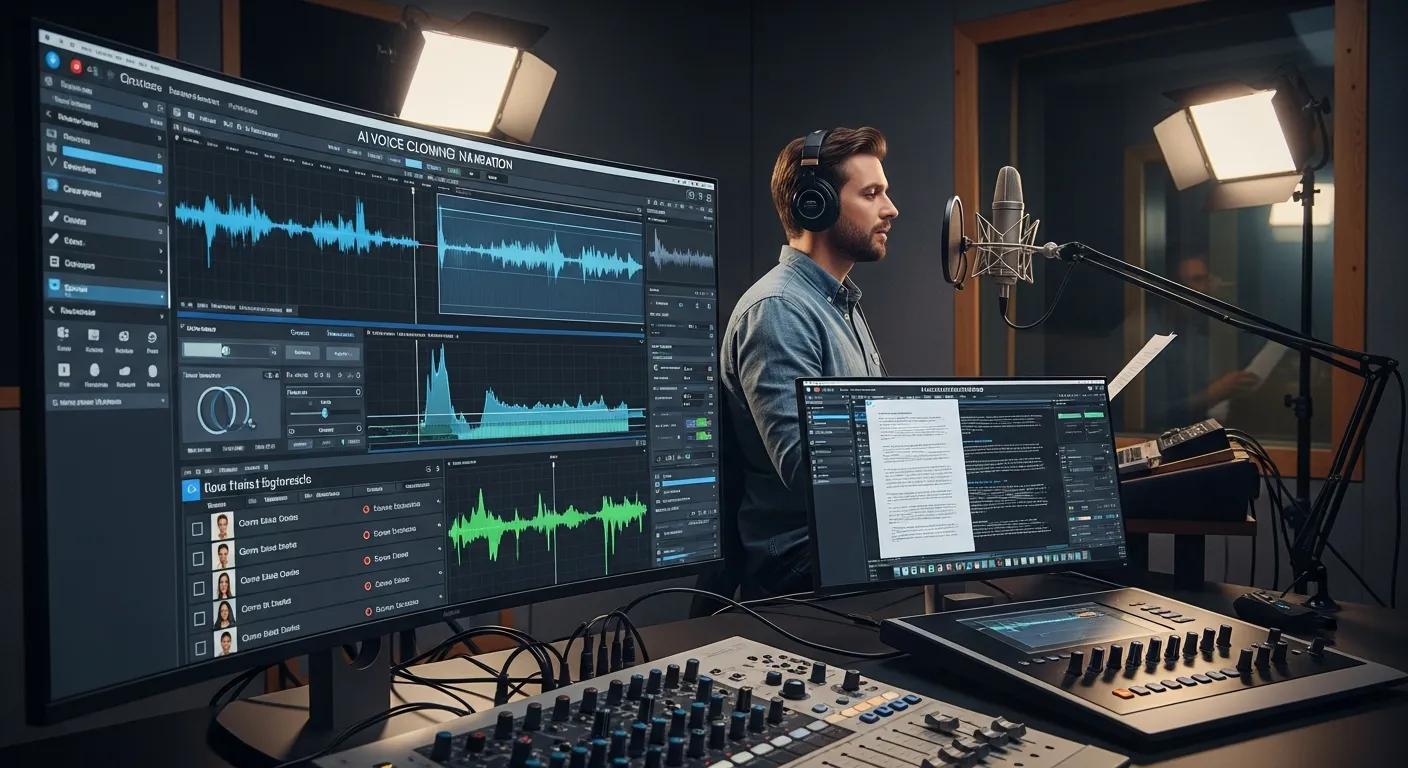
Realistic voice cloning and narration transform a script into a human‑sounding story. Good voice models carry emotion, rhythm, and clarity — all critical for viewer retention. With voice cloning, you can choose the voice that best fits your brand and produce consistent narration across many videos.
Beyond authenticity, voice cloning saves time and money by removing the need to book voice talent for every piece of content, and it makes rapid iterations possible when you need fresh voiceovers in multiple languages.
Recent advances in real‑time voice cloning are making voiceovers feel more natural and easier to generate at scale.
Real-Time AI Voice Cloning for Faceless Video Modern voice cloning combines accuracy, speed, and low data requirements to recreate human‑like speech from small audio samples. Where early speech synthesis sounded mechanical, today’s models capture nuance and pacing, enabling near‑instant replication of a speaker’s tone. Real‑time voice cloning is shifting how teams produce voiceovers — allowing quick, natural narration from minimal input. Real-Time Voice Cloning: Artificial Intelligence to Clone and Generate Human Voice, P Sharma, 2024
Benefits of AI Voice Cloning for Narration
Voice cloning lowers costs and shortens production cycles — especially useful for tight deadlines or high‑volume work. It also offers multiple voice choices so teams can match tone to content and audience, making localization and A/B testing straightforward.
How Syllaby Keeps Voiceovers Natural and Flexible
Syllaby uses advanced models to reproduce natural intonation and pacing, and it exposes controls for tone, pitch, and speed so you can fine‑tune delivery. Those options let creators deliver consistent, on‑brand narration without sacrificing emotional range.
What to Expect from Text‑to‑Video and Dynamic Scene Generation
Text‑to‑video and dynamic scene generation turn scripts into visuals automatically, pairing narrative beats with matching scenes, B‑roll, and motion. This removes the manual stitching of clips and helps creators focus on story rather than frame‑by‑frame edits.
Turning written scripts into coherent visual sequences is one of AI’s most useful storytelling advances.
AI Text-to-Video Generation: Script to Visual Storytelling Text‑to‑video is moving beyond single images: it sequences visuals, motion, and transitions to tell a coherent story from a script. This capability closes the gap between written ideas and finished video, enabling creators to generate cinematic‑style clips directly from text prompts. From Script to Screen: Unveiling Text-to-Video Generation, SR Solanki, 2024
Syllaby leverages scene‑generation models to match visuals to your script and to automate smooth transitions — helping videos feel intentionally produced rather than patched together.
How Text‑to‑Video Turns Scripts into Engaging Visuals
The system reads your script, identifies key moments, and assigns suitable imagery, animations, or clips. It can also add motion and effects so the final video looks polished without extensive manual edits.
Those dynamic elements — transitions, motion timing, and visual emphasis — increase clarity and viewer retention by reinforcing the script with relevant imagery.
Which Models Power Syllaby’s Scene Generation?
Syllaby combines multiple state‑of‑the‑art models to select visuals that fit tone, pacing, and context. The result is smoother scene transitions and visual coherence that supports the narrative rather than distracting from it.
How AI Avatars Maintain Character Consistency in Faceless Videos
Consistent characters or avatars build recognition and trust across content. AI avatars provide a repeatable, branded on‑screen presence that helps viewers connect, even when no human presenter appears.
Syllaby includes customization tools so you can tune appearance, wardrobe, and voice to match brand identity and campaign goals — keeping every video aligned with your visual language.
Why Character Consistency Matters for Engagement
Familiar characters create an emotional shortcut: they make content feel familiar and reliable, which increases attention and repeat viewership. Over time, consistent avatars help reinforce brand messaging and recognition.
Avatar Customization Options in Syllaby
Syllaby lets you adjust a wide range of avatar traits — from facial features and clothing to vocal style — so your virtual presenter matches your audience and tone. Those options encourage experimentation while keeping each piece cohesive with your brand.
How Workflow Tools — Content Calendars and Social Analytics — Improve Distribution
Built‑in workflow tools help you plan, publish, and measure videos without juggling multiple apps. Content calendars keep schedules predictable, and analytics reveal what’s working so you can iterate faster.
Syllaby’s calendar and analytics features centralize planning and performance tracking, making it easier to coordinate launches and measure impact across platforms.
How an Integrated Content Calendar Simplifies Scheduling
A single calendar gives you visibility into upcoming videos, deadlines, and publishing slots. Teams can assign tasks, avoid overlaps, and synchronize releases with campaigns or seasonality — reducing missed deadlines and improving cadence.
That planning clarity makes it simpler to scale production while maintaining consistent quality.
Social Analytics That Help You Track Video Performance
Analytics show who watched, how long they stayed, and which clips drove engagement. Those insights inform everything from script tweaks to distribution timing, so each new video benefits from measurable learnings.
Syllaby aggregates performance across platforms to give a unified view of reach and retention, helping teams optimize content and prove ROI.
Questions about how Syllaby fits your workflow? Please contact us and our team will help you evaluate fit and next steps.
Frequently Asked Questions
What types of businesses benefit from using a faceless video AI generator?
Many organizations gain value: marketing teams, e‑learning providers, agencies, startups, and solo creators. Anywhere you need consistent, repeatable videos without the overhead of shoots, faceless AI tools provide a faster, more affordable path to quality content.
How can I ensure the quality of videos produced with AI?
Pick a proven platform with script refinement, voice tuning, and customizable templates. Review and edit AI outputs — scripts, voices, and scenes — before publishing, and use viewer feedback and performance data to refine future videos.
Are there limitations to using AI in video production?
AI accelerates many tasks, but it can’t replace creative direction or the emotional nuance a human creator brings. Overreliance can produce generic results, so balance AI speed with human oversight to keep content distinct and authentic.
Can faceless video AI generators support multiple languages?
Yes. Platforms like Syllaby support multiple languages and localized voiceovers, making it easier to reach diverse audiences and produce regionally tailored content at scale.
How do I choose the right faceless video AI generator for my needs?
Compare features, ease of use, customization, and pricing against your goals. Look for strong script tools, high‑quality voice models, reliable text‑to‑video generation, and workflow integrations. Trials and user reviews can also reveal how a platform performs in real workflows.
What role does audience feedback play in improving AI‑created video?
Audience feedback is essential. Watch time, retention, comments, and shares reveal what resonates. Use those signals to refine scripts, visual choices, and distribution timing so your videos grow more effective over time.
Conclusion
Faceless video AI generators can accelerate production, cut costs, and help teams publish more consistent, on‑brand video. Prioritize platforms with strong script generation, natural voice cloning, reliable scene generation, and workflow tools so you can move from idea to publish quickly. Want to see how Syllaby can streamline your video production? Explore our platform and get in touch to start a trial.