


Voice cloning has become a practical component of enterprise content workflows. This article explains how top-tier voice cloning AI integrates with end-to-end content pipelines to improve efficiency and personalization. It summarises neural voice synthesis, outlines how the technology is applied in automated production, and identifies its effects on marketing and audience engagement. The goal is to provide a clear overview for organisations considering voice cloning in their content strategies.
Subsequent research documents advanced capabilities of contemporary voice cloning, with a particular emphasis on real-time use cases.
Real-Time VoiceCloning: Precision, Speed, and Personalization
Modern voice cloning techniques distinguish themselves by improved precision, faster processing, and reduced data requirements. Real-Time Voice Cloning (RVC) represents a step change in capabilities: it can reproduce voice characteristics with minimal audio input and generate near-immediate results. RVC supports enhanced personalization, improved communication workflows, and more immersive user experiences. Real-Time Voice Cloning: Artificial Intelligence to Clone and Generate Human Voice, P Sharma, 2024
What Is Neural Voice Synthesis and How Does It Power AI Voice Cloning?
Neural voice synthesis uses deep learning models to produce human-like speech. These models analyse large collections of voice data to learn patterns of tone, rhythm and pronunciation. The primary advantage is the ability to generate high-quality, configurable voices for applications such as marketing, entertainment and education. Neural synthesis therefore functions as the technical foundation for reliable voice cloning.
Understanding the Technology Behind Neural Voice Synthesis

Neural voice synthesis relies on advanced machine learning models that process representative voice samples. These models learn speech attributes—tone, pitch and inflection—to reproduce a target voice or create a distinct character. Careful voice analysis and preprocessing preserve audio quality and authenticity. As a result, synthesized voices are suitable for uses that require natural-sounding output, from virtual assistants to narrated content.
How AI Voice Cloning Creates Natural and Customizable Voices
Voice cloning platforms provide controls for parameters such as pitch, speed and emotional tone to match specific use cases. This customisation supports consistent brand delivery across channels and enables tailored messaging for target segments. For example, marketing teams can deploy a cloned voice to deliver personalised content that aligns with brand guidelines and audience expectations.
Syllaby provides a multi-feature AI platform that includes voice cloning tools for producing distinctive audio content. The platform is designed for operational efficiency and scalability, making it suitable for businesses that wish to integrate voice cloning into their content workflows.
The academic literature also examines the application of these AI tools across diverse multimedia scenarios.
AI Tools for VoiceCloning in Multimedia Content Creation
Recent research reviews methods for multimedia applications and evaluates open-source tools relevant to video lip-syncing and voice recording. The study surveys current techniques in multimedia technology and summarises resources for practitioners working on voice cloning and lip-sync integration. It serves as a technical reference for researchers and developers applying these AI methods. A Comparative Evaluation of AI Tools for Voice Cloning and Lip Syncing in Multimedia Content Creation, V Ajitha, 2025
How Does AI Voice Cloning Integrate Into Automated Content Creation Workflows?
Integrating AI voice cloning into automated workflows reduces manual steps and frees teams to focus on scripting and editing. Automation of voice generation shortens production cycles, raises output consistency and enables scalable delivery. For example, marketing teams can produce multiple, brand-consistent voiceovers quickly to support campaigns across channels.
Step-by-Step Guide to Embedding Voice Cloning in Content Pipelines
To effectively embed voice cloning into content pipelines, follow these steps:
- AccountSetup : Create an account on a voice cloning platform, such as Syllaby, to access the necessary tools and features.
- VoiceRecording and Uploading : Record voice samples or upload existing audio files to train the AI model.
- Using the Cloned Voicein Content : Once the voice is cloned, integrate it into your content creation process, whether for videos, podcasts, or other media formats.
Following these steps helps teams streamline production and apply voice cloning consistently across content types.
Benefits of Seamless Integration for Social Media and Marketing Teams
Integrating AI voice cloning into social media and marketing workflows delivers several operational and strategic benefits:
- EfficiencyImprovements : Automating voice generation reduces the time spent on content creation, allowing teams to focus on strategy and engagement.
- BrandVoiceConsistency : Cloned voices ensure that the brand’s message is delivered consistently across various platforms, reinforcing brand identity.
- Cost Savings : By reducing the need for professional voice actors for every project, businesses can save on production costs while maintaining high-quality audio content.
These efficiencies support clearer messaging and a more cohesive marketing approach.
What Are the Key Benefits of Using AI Voice Cloning for Social Media Content?
AI voice cloning offers distinct advantages for social media content production:
- Consistency in Voice : Maintaining a consistent voice across different posts and platforms helps reinforce brand identity and recognition.
- Professional Quality : AI-generated voices can achieve a level of professionalism that rivals human voice actors, ensuring high-quality content.
- Time and Cost Efficiency : Automating voice generation allows for quicker turnaround times and reduced costs associated with hiring voice talent.
These benefits make voice cloning a practical tool for teams aiming to scale social media production without sacrificing quality.
Enhancing Personalization to Boost Audience Engagement
Personalisation is a key driver of engagement, and voice cloning supports more relevant audience experiences. By adapting voice content for specific segments, brands can increase relevance and response rates. The following strategies demonstrate practical uses of voice cloning for personalised experiences:
- Tailored Content Creation : Developing content that speaks directly to the interests and preferences of different audience segments.
- Engagement Strategies : Utilizing voice cloning to create interactive content, such as quizzes or personalized messages, that encourages audience participation.
- FeedbackIncorporation : Adjusting voice content based on audience feedback to improve engagement and satisfaction.
Applied correctly, these approaches help brands build stronger connections with target audiences.
Scaling Content Production Efficiently with AI Voice Generation
AI voice generation enables organisations to increase content output while preserving quality. Typical capabilities include:
- Script Generation : Quickly generating scripts for various content types, from videos to podcasts.
- Bulk Content Creation : Producing multiple voiceovers in a short period, ensuring timely delivery of content.
- Automated Video Generation : Integrating voice cloning with video production tools to create engaging multimedia content effortlessly.
These capabilities help teams meet demand for frequent content updates without compromising consistency.
Further research demonstrates how integrated AI pipelines can streamline automated video production by combining facial animation, neural TTS and optimized processing.
AI-Driven Workflowfor Automated Video & Natural VoiceSynthesis
The paper describes an integrated AI pipeline that automates avatar video generation by combining facial animation (SadTalker), neural text-to-speech synthesis (Google Cloud Neural2 TTS with SSML) and efficient video processing (FFmpeg). The system implements three phases: batch processing for scalable multi-avatar generation, interactive single-video creation with natural voice synthesis, and quality enhancement through intelligent upscaling. Reported results include a 90% reduction in production time (from 2+ hours to 15–25 minutes per 2-minute video) while maintaining 50–60% visual quality through full-frame preprocessing. The approach also achieves natural speech prosody through SSML integration. Automated Avatar Video Generation for Scalable Educational Content: Integration of AI-Driven Animation and Natural Voice Synthesis, 2025
How Can AI Voice Cloning Drive Lead Generation and Marketing Success?
AI voice cloning can improve lead generation by delivering personalised voiceovers that align with customer interests. Relevant benefits include targeted messaging, faster content production and consistent brand presentation across channels.
- Personalized Voiceovers : Tailoring voice content to address specific customer pain points and interests, increasing the likelihood of conversion.
- Increased Efficiency : Automating voice generation allows marketing teams to focus on strategy and outreach rather than production.
- Consistent BrandVoice : Maintaining a consistent voice across all marketing materials reinforces brand identity and trust.
Leveraging these advantages can help organisations increase conversions and improve campaign performance.
Using Personalized Voice Content to Capture and Convert Leads
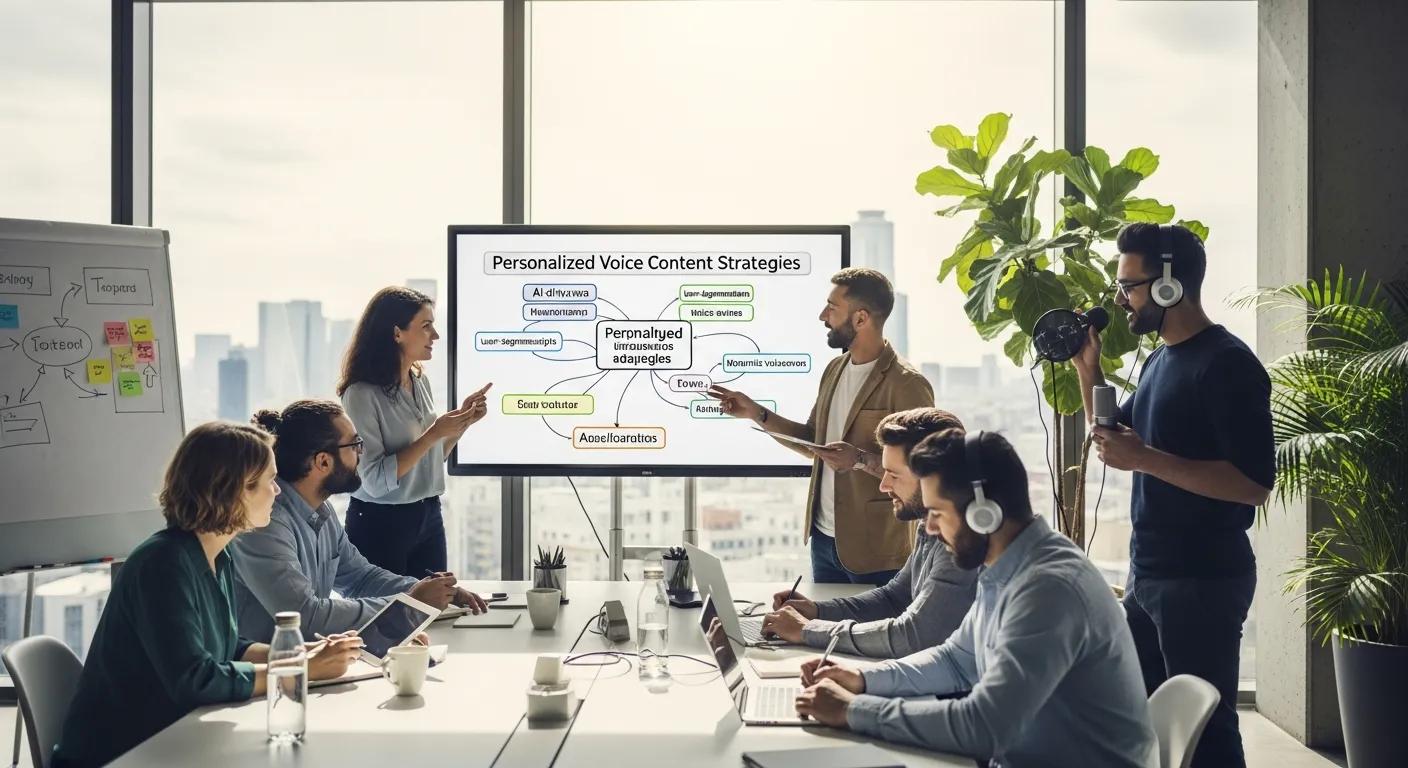
Personalised voice content is effective for lead capture and conversion. Common tactics include:
- Engaging Video Content : Creating videos that feature personalized voiceovers to capture attention and convey messages effectively.
- Calls to Action : Using voice content to deliver compelling calls to action that encourage potential customers to take the next step.
- Educational Content : Providing informative voice content that addresses customer questions and concerns, establishing authority and trust.
When implemented strategically, these tactics can improve conversion rates and overall campaign outcomes.
Case Studies Demonstrating Impact on Marketing ROI
Case studies show measurable benefits from voice cloning adoption. Organisations that use cloned voice content commonly report improvements in engagement, conversions and production cost efficiency.
- Increased Engagement : Higher audience engagement rates due to personalized and relevant voice content.
- Improved Conversion Rates : Enhanced lead conversion rates as a result of tailored messaging and consistent brand voice.
- Cost Savings : Significant reductions in production costs associated with traditional voiceover methods.
These examples demonstrate the potential return on investment when voice cloning is applied within a coherent content strategy.
What Are the Pricing and Subscription Options for Scalable AI Voice Cloning Platforms?
Evaluating pricing and subscription structures is essential when selecting a voice cloning provider. Providers typically offer tiered plans to meet different production requirements and budgets.
- Free Trial Options : Many platforms provide free trials to allow users to test the service before committing.
- Subscription Tiers : Different subscription plans cater to varying levels of usage, from basic to advanced features.
- Credit-Based Usage : Some platforms operate on a credit-based system, allowing users to pay for the specific amount of voice generation they require.
Reviewing available tiers and trial options helps businesses select the platform that matches their use case and expected scale.
Comparing Subscription Plans for Different Content Needs
| Plan Type | Features | Benefits |
|---|---|---|
| Basic Plan | Limited voice options | Cost-effective for small projects |
| Pro Plan | Advanced customization | Ideal for brands needing flexibility |
| Business Plan | Unlimited access | Best for high-volume content production |
This comparison supports selection of a subscription that aligns with content volume, feature needs and budget.
Transparent Pricing Models Supporting Growth and Scalability
Clear pricing is important for organisations planning to scale voice cloning usage. Effective pricing models provide predictable costs and options that match usage patterns.
- Credit-Based Tiers : Allowing users to purchase credits based on their specific needs, ensuring they only pay for what they use.
- Monthly vs Annual Options : Offering flexibility in payment plans to accommodate different budgeting preferences.
- Predictable Access : Ensuring users can easily understand their costs and access the services they need without hidden fees.
Such pricing structures enable organisations to forecast costs and support gradual expansion of voice cloning capabilities.
How to Monitor and Optimize AI Voice Cloning Performance in Content Workflows?
Monitoring and optimisation are necessary to maintain the value of voice cloning in production. Implementing measurement and feedback practices ensures continued effectiveness.
- AnalyticsTools : Utilizing analytics tools to track engagement metrics and assess the impact of voice content.
- User Feedback : Gathering feedback from users to identify areas for improvement and enhance the overall experience.
- A/B Testing : Implementing A/B testing to compare different voice options and determine which resonates best with the audience.
Consistent measurement and iterative testing allow teams to refine voice assets and improve outcomes over time.
Key Metrics to Track for Voice Cloning Effectiveness
Businesses should track specific metrics to assess voice cloning performance and ROI.
- Engagement Metrics : Analyzing how audiences interact with voice content, including play rates and completion rates.
- Retention Metrics : Assessing how well voice content retains audience attention over time.
- Production Efficiency : Measuring the time and resources saved through the use of AI voice cloning compared to traditional methods.
Regular review of these metrics provides actionable insight for optimisation and resource allocation.
Tools and Best Practices for Continuous Improvement
Adopt a combination of technical and organisational practices to sustain success with voice cloning.
- Regular Updates : Keeping voice cloning software up to date to leverage the latest advancements in technology.
- Community Support : Engaging with user communities to share experiences and learn from others’ successes and challenges.
- DataAnalytics : Utilizing data analytics to inform decisions and optimize voice content strategies based on audience behavior.
Applying these practices supports ongoing improvement and helps maintain high-quality voice outputs.
To explore how Syllaby can transform your content strategy, consider its diverse applications across various sectors.
For any inquiries or to get started with Syllaby , visit our contact page to connect with our team.
Discover the perfect plan for your needs by exploring Syllaby’s pricing options, designed to scale with your business.
Frequently Asked Questions
What industries can benefit from AI voice cloning technology?
AI voice cloning is applicable across several sectors, including marketing, entertainment, education and customer service. Use cases include personalised advertising, voiceovers for media and games, narrated learning materials and virtual assistant voices for support systems. Each sector can apply cloned voice assets to improve reach and user experience.
How does AI voice cloning impact accessibility in content creation?
Voice cloning can enhance accessibility by converting text into natural-sounding speech for users with visual impairments or reading difficulties. Platforms that support multiple languages and regional accents enable more inclusive distribution. Proper implementation broadens audience access and supports compliance with accessibility objectives.
What are the ethical considerations surrounding AI voice cloning?
Ethical issues include consent, authenticity and potential misuse. Obtaining clear permission from voice owners is essential. The technology can be used to create misleading or deceptive content, so transparency and governance are necessary. Organisations should adopt policies and standards to ensure responsible deployment.
Can AI voice cloning be used for multilingual content creation?
AI voice cloning can support multilingual content when platforms offer language and accent options. This enables localisation at scale while maintaining a consistent brand voice across markets. For global campaigns, multilingual cloning reduces production complexity and improves audience relevance.
What are the limitations of current AI voice cloning technology?
Current limitations include dependence on high-quality training audio; low-quality samples yield inferior results. AI voices may also fall short of human spontaneity and emotional nuance. Additionally, complex linguistic elements such as idioms or culturally specific references can challenge authenticity.
How can businesses measure the success of their AI voice cloning initiatives?
Success can be measured using KPIs such as engagement rates, audience retention and conversion metrics. Monitoring play rates and user feedback provides qualitative and quantitative insight. Comparing production efficiency before and after adoption highlights time and cost savings and informs ongoing optimisation.
Conclusion
Integrating AI voice cloning into a content workflow can improve efficiency, personalise audience interactions and support a consistent brand voice. Organisations can produce high-quality audio at lower marginal cost and adapt voiceovers to specific requirements. Explore how Syllaby’s applications can support your content strategy and operational goals.