





AI video ads generators make it possible to produce polished video content without a large production team. These platforms use automation to help marketers create ads that can improve engagement and conversion rates. This guide explains how those tools function, outlines techniques for high-converting ads, and summarises best practices, available tools, and methods for measuring performance.
Video marketing remains a core strategy for many organisations. This guide reviews the primary capabilities of AI video ads generators, practical techniques that improve ad performance, and tools that can streamline and scale advertising efforts.
Key Takeaways
- AI video ads generators automate video creation using machine learning, reducing the need for specialized production teams.
- These tools enable rapid, scalable production of personalized video ads tailored to specific audience segments.
- Effective video ads combine storytelling, personalization, and strong calls to action to boost engagement and conversions.
- Popular AI video ad tools like Syllaby, InVideo, and Lumen5 offer features such as auto script generation and template libraries.
- Best practices include optimizing videos for different platforms, incorporating SEO, and conducting A/B testing for performance improvement.
- Clear messaging, eye-catching visuals, and interactive elements increase viewer retention and conversion rates in video ads.
- Measuring success involves tracking KPIs like view counts, engagement, and conversions using analytics tools.
- AI enhances lead generation by enabling targeted, personalized video ad campaigns that reach audiences at optimal times.
- Small businesses can scale video ad production efficiently without large teams by leveraging AI-powered platforms and templates.
Understanding AI Video Ads Generators
AI video ads generators are platforms that use automated processes to assemble scripts, visuals, and voiceovers. They apply machine learning models to streamline production tasks and deliver finished ads faster than traditional workflows.
By simplifying production steps, these tools let marketing teams concentrate on targeting and messaging. The result is shorter turnaround times for campaigns, which supports faster iteration and responsiveness.
What Is an AI Video Ads Generator and How Does It Automate Video Ad Creation?
These generators use machine learning and large datasets to identify patterns in successful ads. Techniques such as natural language processing for scriptwork and automated visual assembly reduce manual effort and produce consistent results.
Marketers provide core messages and parameters, and the platform generates videos that combine visuals, voiceovers, and narrative structure. This approach helps ensure ads are relevant to defined audience segments.
Advances in AI-driven video and image production are lowering barriers to high-quality advertising for organisations of all sizes.
AI Video Generation Technologies Enable Accessible Advertisement Production for Businesses
Artificial intelligence-powered image and video generation has changed advertising workflows by providing new options for visual content creation. These systems use deep learning models and neural networks to transform textual inputs into high-quality imagery, shifting traditional production methods. By widening access to advanced content tools, they let organisations produce professional-grade advertising assets without large resource commitments or specialised teams.Simplifying Ad Publishing with AI-Powered Image and Video Generation, 2025
How Automated Video Ad Creation Improves Efficiency and Scalability
Automation increases throughput by enabling the production of multiple ad variants quickly and at lower marginal cost. This capacity supports testing and optimisation across platforms and audience segments.
Reducing dependence on external production resources also improves control over brand consistency and messaging. Teams can update campaigns rapidly to reflect market shifts or new insights.
Key Techniques for High-Converting Video Ads

High-converting video ads combine clear storytelling, relevant personalisation, and decisive calls to action. These elements work together to capture attention and guide viewers toward the intended outcome.
- Effective Storytelling: Captivating narratives are essential for engaging viewers. Successful video ads often tell a story that resonates with the target audience, creating an emotional connection and enhancing recall.
- Personalization: Tailoring videos to specific audience segments boosts engagement rates. Utilizing data-driven insights allows marketers to provide content that addresses the unique interests and needs of viewers, fostering a sense of relevance.
- Strong CTAs: A well-defined call to action can significantly impact conversion rates. Videos should guide users on the next steps clearly, whether it’s signing up for a newsletter or making a purchase.
Applying these techniques increases the chance of engagement and improves return on investment for marketing campaigns.
Tools for Creating Video Ads
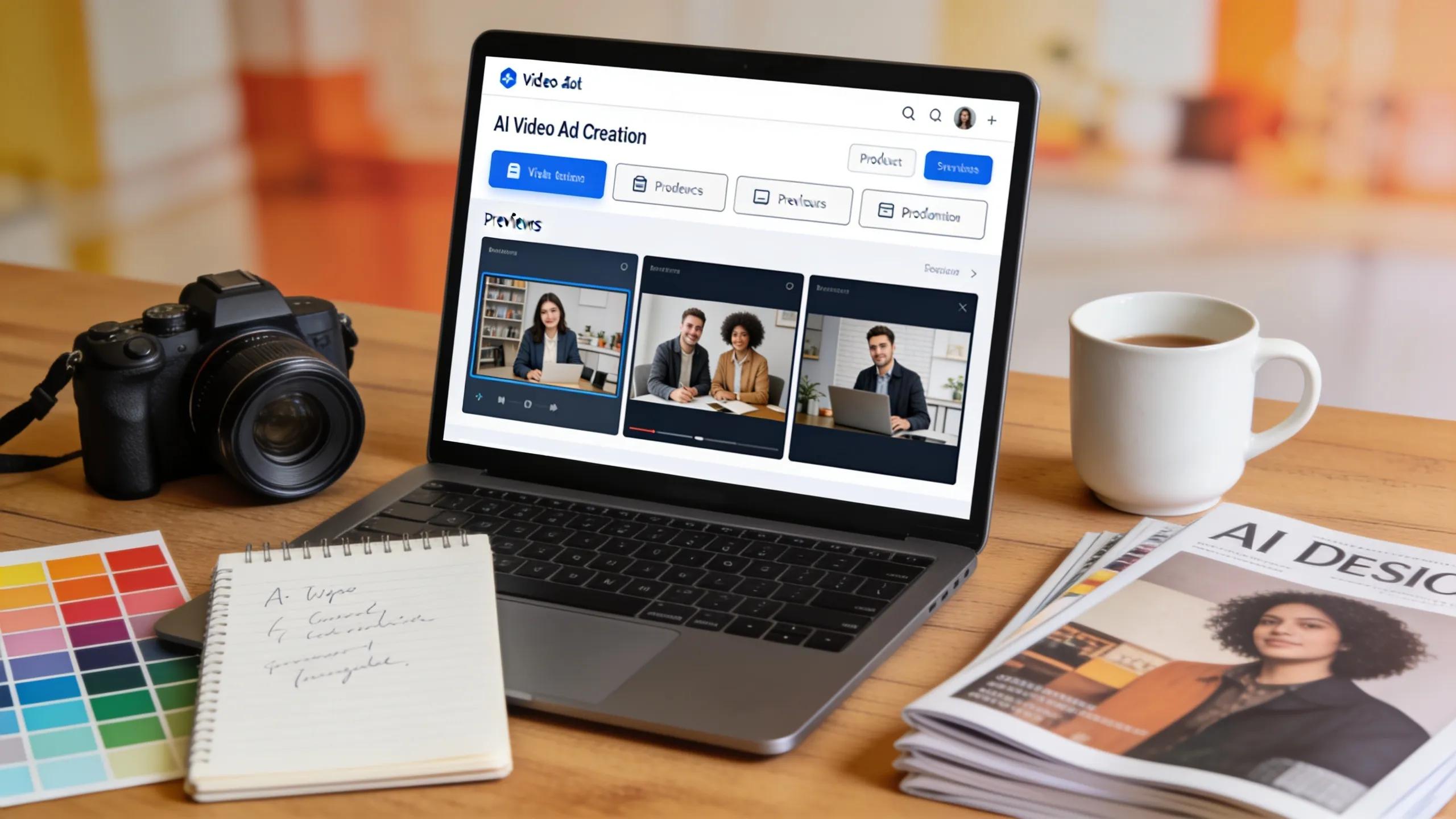
There are several AI-driven platforms designed to assist with video ad production. Each platform offers specific features that address different stages of the workflow, from scripting to final assembly.
| Tool | Feature | Description |
|---|---|---|
| Syllaby | Auto Script Generation | Craft engaging scripts without human input |
| InVideo | Template Library | Access to numerous customizable templates |
| Lumen5 | Seamless Integration | Easily integrate with social media platforms |
Using these tools can reduce production time and improve consistency. Each solution supports different production styles and business priorities.
How to Use AI Video Marketing Tools for Personalized Social Media Ad Campaigns?
Begin by defining campaign objectives and selecting tools that match those goals. Use segmentation features to create personalised content for specific audience groups.
Place segmented ads on the platforms where those audiences are most active, then monitor performance to refine targeting and creative choices. This approach increases reach and campaign effectiveness.
Best Practices for Effective Ad Creation
Follow established practices to improve engagement and conversion results. Focus on platform requirements, discoverability, and iterative testing.
- Optimizing for Different Platforms: Each social media platform has unique specifications and audience behaviors. Tailoring video ads to fit these nuances ensures better performance.
- Incorporating SEO Techniques: Integrating relevant keywords and metadata can improve discoverability on platforms like YouTube, enhancing organic reach.
- Conducting A/B Testing: Regularly testing different versions of ads helps identify the most effective elements—whether it’s the length of videos, types of CTAs, or storytelling approaches.
These practices form a reliable foundation for producing video ads that connect with target audiences and deliver measurable results.
What Are the Best Practices for Creating High-Converting AI-Generated Video Ads?
To create high-converting AI-generated video ads, focus on clarity and engagement:
- Keep Messages Clear: Ensure that the ad message is concise and easily understood within the first few seconds.
- Use Eye-Catching Visuals: Strong visuals attract attention and promote retention.
- Include Interactive Elements: Adding links or interactive buttons can further enhance viewer engagement.
These strategies help sustain viewer interest and increase the probability of conversion throughout the ad experience.
How to Craft Automated Video Scripts That Engage and Convert?
When preparing automated scripts, lead with a strong hook and follow with a clear value proposition. Use language that explains benefits and guides the viewer toward the desired action; tools such as AI video script generator features can assist in drafting structured narratives.
Include emotionally relevant elements where appropriate to build rapport with the audience, which supports higher conversion rates.
Measuring Success
Evaluate video performance by tracking key performance indicators such as view counts, engagement rates, and conversion metrics. These indicators provide a clear view of ad effectiveness.
Leverage analytics tools to analyse audience behaviour and campaign outcomes. Use those insights to refine creative, targeting, and distribution choices.
How Does AI Improve Lead Generation Through Video Advertising?
AI enhances lead generation by enabling precise targeting and timing. Algorithms analyse audience data to place ads where and when they will be most effective.
Personalised video content generated by AI increases relevance for viewers, which raises the likelihood of converting impressions into leads and customers.
Getting Started
Select a platform that aligns with your objectives and production requirements. Syllaby is one example of a solution for businesses aiming to produce high-converting ads efficiently.
Create an initial video with clear quality controls to ensure brand alignment. Then iterate on format and features to expand capacity and improve outcomes over time.
How Can Small Businesses Scale Video Ad Production Using AI Video Ads Generators?
Small businesses can automate repetitive production tasks with AI, enabling higher output without large investments in staff or equipment.
Using templates and configurable tools preserves a professional look while allowing teams to scale ad volume and maintain consistent branding.
What Solutions Enable Scalable Video Marketing Without a Production Team?
Solutions such as Syllaby and comparable AI platforms provide collaboration features, stock libraries, and automated editing to support broad distribution.
Adopting these platforms helps organisations maintain a cohesive brand presence while reaching target audiences efficiently, without a large production team.
Frequently Asked Questions
1. What are some common mistakes to avoid when creating AI-generated video ads?
Common mistakes include failing to tailor content to audience segments, using unclear messaging, and skipping tests of different variants. Overly complex videos or vague calls to action reduce effectiveness. Keep ads concise, visual, and directive to improve results.
2. How can marketers ensure their AI video ads are aligned with their brand identity?
Establish clear brand guidelines that define tone, visual elements, and messaging. Apply those rules consistently when customising AI templates so every ad reinforces the brand’s values and style.
3. Are there specific platforms that are better suited for different types of video ads?
Yes. Instagram favors short, visually-driven clips; YouTube supports longer storytelling formats; and TikTok performs well with brief, creative clips. Match format and creative approach to each platform’s audience and norms.
4. How can analytics be effectively utilized to improve video ad campaigns?
Use analytics to monitor KPIs such as retention, engagement, and conversions. Regularly review this data to adjust creative elements, targeting, and placements, and to improve campaign ROI.
5. What are the benefits of using storytelling in video ads?
Storytelling captures attention and builds emotional connection, which improves recall and motivates action. Well-structured narratives help differentiate a brand and increase the chance viewers will engage or convert.
6. Can AI video ads be used for lead generation, and if so, how?
Yes. AI allows targeted delivery of personalised video messages to specific demographics, increasing engagement and conversion potential. Clear calls to action within the ads guide viewers toward lead capture.
7. How often should businesses test and update their video ad strategies?
Businesses should test and update strategies regularly—every few months or when audience behaviour or platform algorithms change. Continuous A/B testing of elements like length, visuals, and CTAs supports ongoing optimisation.
Conclusion
AI video ads generators enable organisations to produce engaging, high-quality ads without extensive production resources. These platforms improve efficiency, support personalised messaging, and help increase viewer engagement and conversions. Apply the best practices outlined here and begin evaluating AI-driven solutions to strengthen your video advertising program.