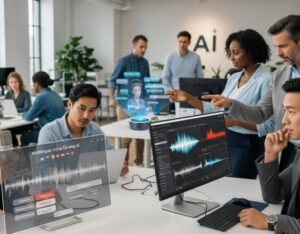




By 2026, AI is reshaping how brands make video. Faceless video AI generators let teams produce polished, on‑brand videos without on‑camera talent, speeding production and lowering costs. This article breaks down what those tools do, how they automate workflows, and how they support personalized marketing at scale. We cover core technologies, personalization techniques, scalability advantages, and practical ways to plug AI videos into lead‑generation funnels so you can put these tools to work.
What Are Faceless Video AI Generators and How Do They Transform Video Creation?
Faceless video AI generators are software platforms that use machine learning to assemble video content without live presenters. They analyze inputs—scripts, data, templates—and produce videos that match audience preferences and brand guidelines. The main advantage is streamlining production: fewer logistical hurdles, faster turnaround, and lower per‑video cost for marketers and creators.
Defining Faceless Video AI Generators and Core Technologies
These generators combine several core technologies to automate video creation. Natural language processing converts text into natural speech; computer‑generated imagery (CGI) and synthetic avatars supply visuals; and editing engines stitch scenes together automatically. When combined, these systems let teams produce consistent, engaging videos while avoiding the time and coordination of traditional shoots.
AI tools bring huge automation gains, but teams should be aware of current technical limits—especially when it comes to flawless visual continuity across complex scenes.
AI-Powered Video ContentGeneration & Automation
These generators make automated video production possible and efficient, but a common limitation remains: maintaining logical visual continuity between frames can be challenging in some workflows. Artificial intelligence–powered video content generation tools, CM Roșca, 2024
How AI Automates Social Media Video Production Efficiently

AI automation speeds every stage of social video creation. Script drafts, voiceovers, scene selection, and basic editing can be handled automatically—cutting production time and staff hours. That efficiency gives marketing teams room to focus on strategy, creative direction, and testing, so campaigns land faster and perform better.
How Does AI Personalize Faceless Video Content for Marketing Success?
Personalization is where these tools shine. By ingesting viewer data—demographics, behavior, past engagement—AI can tailor messages, visuals, and calls to action for specific audience segments. The result: videos that feel more relevant to viewers and drive stronger engagement and conversions.
Techniques Behind AI Content Personalization in Video Ads
AI personalizes video ads using several techniques. Dynamic content swaps change text, images, or offers based on viewer attributes. Adaptive storytelling alters the sequence or tone to match user interest. Combined with A/B testing and performance feedback, these methods keep content aligned with what audiences actually respond to.
Examples of Personalized Video Campaigns Driving Engagement

Brands that use personalized video ads typically see higher click‑through and retention rates. Data‑driven creative—where messaging and visuals adapt to each viewer—helps turn one‑off views into repeat engagement and stronger customer loyalty. When analytics inform creative decisions, campaigns become progressively more effective.
What Are the Scalability Benefits of Using Faceless Video AI Generators?
Scalability is a core benefit: AI generators let teams produce large volumes of content quickly while keeping a consistent look and voice. That capacity is crucial for brands that need frequent, platform‑specific variations without ballooning production budgets.
Scaling Video Production for Social Media Automation
By automating repetitive tasks and standardizing templates, these tools ramp up output and reduce manual bottlenecks. Marketers can publish more often, test formats faster, and maintain a steady stream of relevant content across channels.
Case Studies Demonstrating Efficient Video Marketing at Scale
Real‑world examples show meaningful gains: companies using faceless AI video tools report increased output and broader reach without a matching rise in cost. Those results demonstrate how AI‑driven production can improve marketing ROI while preserving quality and brand consistency.
How Can Faceless Video AI Generators Enhance Lead Generation Strategies?
Adding faceless AI videos to lead‑gen workflows helps capture attention and move prospects through the funnel. Short, targeted videos make landing pages, email sequences, and ads more engaging—improving conversion rates when paired with clear next steps.
Integrating AI Video Tools into Lead Generation Workflows
Start by creating targeted videos that address specific audience pain points and use cases. Embed concise calls to action and tailor the messaging to where viewers are in the buyer’s journey. Automating video variants for different segments improves relevance and increases the chance viewers take the next step.
Measuring Marketing ROI from Automated Faceless Videos
Track engagement metrics, conversion rates, and downstream revenue to evaluate ROI. Important KPIs include view counts, watch time, click‑throughs, leads generated, and cost per acquisition. Use these signals to iterate on creative, targeting, and distribution for better performance over time.
Frequently Asked Questions
What types of businesses can benefit from faceless video AI generators?
Many businesses can benefit—e‑commerce, education, real estate, SaaS, and entertainment among them. Any team that needs regular, on‑brand video content but lacks the budget or bandwidth for constant shoots will find value. Small and mid‑size teams especially gain from faster turnaround and lower production costs.
Are there any limitations to using faceless video AI generators?
Yes. AI videos can sometimes lack the subtle emotional nuance of live presenters, and complex, highly human narratives may still need real actors or directors. Visual continuity and brand-perfect execution can require manual polish. Treat AI as a force multiplier—not a full replacement for every use case.
How do faceless video AI generators ensure content quality?
Quality comes from model training, performance feedback, and user controls. Platforms use viewer analytics and machine learning to refine output, and they offer customization for tone, pacing, and visual style. Combining AI output with human review and iterative testing produces the best results.
Can faceless video AI generators be used for live streaming?
Most current solutions focus on pre‑recorded content, though a few platforms are experimenting with real‑time synthesis and live editing. Expect more robust live features over time, but for now, pre‑produced AI videos are the practical choice for consistent quality.
What role does data analytics play in optimizing video content?
Analytics are essential. They show what parts of a video keep attention, which messages drive clicks, and which segments convert. That data guides creative tweaks—changing hooks, CTAs, or visuals—and helps the AI produce better, more effective variants.
How can businesses measure the success of their AI-generated video campaigns?
Measure success with a blend of engagement and conversion KPIs: views, watch time, shares, comments, click‑throughs, leads, and conversion rates. Analyze audience retention and downstream revenue to understand long‑term impact. Use those insights to optimize future videos and channel strategies.
Conclusion
Faceless video AI generators make video production faster, more personal, and easier to scale. They free teams to focus on strategy and testing while delivering consistent, data‑informed content across channels. When integrated thoughtfully, these tools boost lead generation and overall marketing performance. Learn how Syllaby AI video solutions can help you scale smarter and engage your audience more effectively.