 Download now




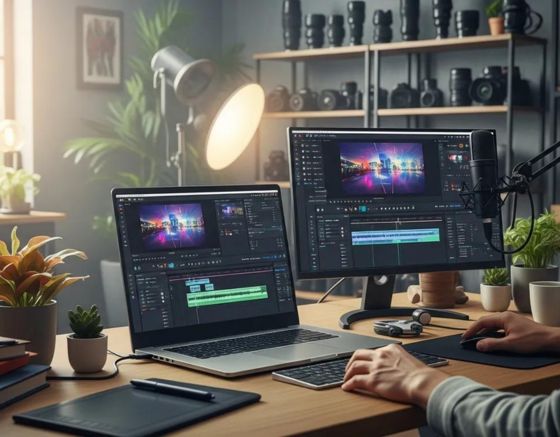
Rapid, high-quality video production is essential to modern digital marketing. AI online video editing tools streamline production for marketing and advertising teams, enabling the creation of professional videos with reduced manual effort. This article examines how AI editors improve campaign performance, outlines their core features, and summarises the benefits for social media marketing. Understanding these capabilities helps marketers apply AI tools to increase engagement and drive conversions.
AI’s transformative role in video editing is reshaping how content is produced and consumed across social platforms.
AI Video Editing for Social Media Marketing & Engagement
Recent developments in artificial intelligence (AI) have altered digital media creation, notably in image and video editing for social media. AI-driven tools enable organisations and individuals to generate or alter visual content at scale, with increased speed and precision. These capabilities support a range of uses, from improving everyday photographs and promotional videos to producing highly realistic but potentially deceptive deepfakes. As social platforms expand their user bases and features, the ability to produce AI-augmented imagery has become important for influencers, brands, political campaigns, and private users. The content produced can influence viewer perceptions, engagement metrics, and trends within digital culture. The impact of AI-augmented image and video editing on social media engagement, perception, and digital culture, 2024
AI video editing improves marketing and advertising campaigns by automating repetitive tasks, raising production quality, and enabling personalised content. Automation reduces time spent on technical work so marketers can prioritise strategy and creative direction. Consequently, campaigns launch more quickly and content can be tailored to distinct audience segments, increasing the probability of engagement and conversion.
Key Takeaways
- AI online video editing tools automate repetitive tasks, saving time and increasing video production efficiency for marketers.
- Personalization features in AI video editors tailor content to audience preferences, enhancing engagement and conversion rates.
- AI-powered video editing platforms offer user-friendly interfaces that accommodate marketers of all skill levels.
- Generative AI democratizes high-quality video content creation, enabling broader access beyond professional designers.
- Automated video marketing reduces costs while allowing faster campaign launches across multiple social media platforms.
- Dynamic content swaps and adaptive storytelling improve viewer interaction by customizing videos based on real-time data.
- Integrating AI video editing with marketing automation tools streamlines content distribution and performance analytics.
- Tiered subscription models provide flexible pricing options suited to different marketing needs and budgets.
- AI video editors support scalable content creation, enabling large-scale campaigns with personalized videos for diverse audiences.
How Does AI Video Editing Enhance Marketing and Advertising Campaigns?
AI video editing streamlines production workflows and reduces the effort required to deliver professional videos. Automated editing tasks lower production time, enabling teams to produce greater volumes of content. AI can also analyse audience data to generate personalised videos that align with viewer interests, which supports higher engagement rates.
For example, Syllaby uses AI to automate and personalise video creation, allowing marketers and creators to produce social media videos and ads more efficiently. The platform helps deliver visually polished content that aligns with target audience preferences.
What Are the Key Features of AI-Powered Video Editors?

AI-powered video editors include several core features that improve their value for marketing teams. These features typically are:
- Automation of Editing Tasks: AI tools can automatically edit video clips, add transitions, and apply effects, significantly reducing the time spent on manual editing.
- User-Friendly Interfaces: Many AI video editors are designed with intuitive interfaces that make it easy for users of all skill levels to create professional-looking videos.
- Personalization Features: AI can analyze viewer data to create customized video content that speaks directly to the audience’s interests and preferences.
Collectively, these features enable marketers to streamline production and improve the effectiveness of their video content.
Generative AI further expands access to professional-quality content creation for a wider range of users.
Generative AI Revolutionizes Social Media Marketing & Content Creation
Artificial intelligence (AI) has been extensively used in digital marketing. Still, the recent advances in generative AI (GAI) have revolutionized social media marketing and content creation, lowering barriers that once restricted high-quality design to professionals well versed in expensive and complex software like Adobe Suite. GAI tools enable anyone, from students to marketers, to generate logos, branding, and multimedia content without extensive training. This shift has empowered more people to engage in creative expression, expanding the pool of ideas and creativity. The future of marketing will likely see even greater automation, where these generative tools learn brand esthetics, predict trends, and create content tailored to specific audiences. From concept to creation: The role of generative artificial intelligence in the new age of digital marketing, A Smith, 2024
| Feature | Description | Benefit |
|---|---|---|
| Automation | AI automates repetitive editing tasks | Saves time and reduces manual effort |
| User Interface | Intuitive design for ease of use | Accessible for all skill levels |
| Personalization | Tailors content based on viewer data | Increases engagement and relevance |
The combined effect of these capabilities allows marketing teams to concentrate on strategy and creative direction, producing more effective campaigns.
How Does AI Improve Video Personalization and Engagement?
AI enhances personalization and engagement by applying data analysis and content adaptation. Systems can segment audiences and deliver dynamic content swaps so that video elements match viewer profiles. Adaptive storytelling techniques adjust narrative flows in response to viewer interactions, improving relevance and retention.
A/B testing functions complement these techniques by comparing video variants and identifying the highest-performing versions. This evidence-based process supports continuous optimisation of content for better results.
What Are the Benefits of Automated Video Marketing for Social Media?
Automated video marketing delivers clear operational and performance benefits:
- Increased Efficiency: Automation allows for faster video production, enabling marketers to keep up with the high demand for fresh content.
- Cost-Effectiveness: By reducing the need for extensive editing resources, automated video marketing can lower production costs.
- Enhanced Audience Engagement: Personalized video content is more likely to capture viewer attention and drive interaction.
Collectively, these advantages make automated video marketing an effective strategy for brands seeking stronger social media presence and audience connection.
How Does Automated Video Creation Save Time and Resources?
Automated workflows compress the production timeline by handling repetitive tasks such as cutting, trimming, and applying effects. This reduces manual labour and accelerates delivery.
Teams can also generate multiple platform-specific video variations quickly, ensuring content is optimised for each channel without extensive re-editing.
Which Social Media Platforms Benefit Most from AI Video Content?
AI video content is particularly valuable on platforms that prioritise short-form and long-form video, including YouTube, Instagram, Facebook, and TikTok. Each platform benefits from AI workflows that adapt format, pacing, and creative elements to platform norms and audience expectations.
- YouTube: The platform’s emphasis on video content makes it ideal for AI-driven video marketing strategies.
- Instagram: Short, engaging videos are crucial for capturing attention on this visually-oriented platform.
- Facebook: AI-generated videos can enhance engagement through targeted advertising and personalized content.
- TikTok: The platform thrives on creative, quick videos, making AI tools essential for rapid content creation.
These platforms create opportunities for marketers to deploy AI-generated video at scale and target audiences effectively.
How Can Personalized Video Ads Drive Lead Generation and ROI?

Personalised video ads increase lead generation and ROI by delivering messages that align with individual viewer interests. Dynamic customisation raises relevancy and conversion potential. When combined with iterative testing, personalised ads can be refined to improve performance over time.
This principle extends to advanced ad techniques where AI integrates products directly into video content.
AI-Powered Dynamic Product Placement for Personalized Video Advertising
The advertising industry is undergoing a fundamental transformation as Dynamic Product Placement (DPP) and Virtual Product Placement (VPP) technologies leverage artificial intelligence to embed brands directly into video content without interrupting viewer experience. This paper discusses how scene-intelligence systems using AI search through finished movies, television series, creator content, and live events to identify product placement opportunities. It is then possible to render products digitally to appear native to the original scene. Based on industry data, effectiveness studies, and economic projections, the study examines how context-sensitive insertion functions, how personalization can be done at the viewer level and how real-time rendering accepts in-content placements as programmatic inventory. Dynamic Product Placement and AI: How Virtual Advertising is Transforming Brand Engagement in Streaming Media, AS George, 2025
Automated production processes enable rapid generation of these personalised ads, allowing brands to respond to market trends and audience behaviour in near real time.
What Personalization Techniques Are Used in AI Video Editing?
AI video editing uses several techniques to increase relevance for viewers, including dynamic content swaps, adaptive storytelling, and tailored calls to action. Each technique targets improved engagement by aligning content with viewer context and preferences.
- Dynamic Content Swaps: AI can replace specific video elements based on viewer data, ensuring that the content is relevant to each individual.
- Adaptive Storytelling: The narrative can change based on viewer interactions, creating a more immersive experience.
- Clear Calls to Action: Personalized videos often include tailored calls to action that resonate with the viewer’s interests.
Applied together, these methods produce more engaging experiences and support higher conversion rates.
What Case Studies Demonstrate Lead Generation Success with AI Videos?
Multiple case studies report measurable improvements in lead-generation metrics after deploying personalised AI video ads. Organisations observed uplifts in click-through and conversion rates when content matched audience needs and preferences.
Analysing these examples provides practical lessons on messaging, segment selection, and iterative optimisation for teams planning AI-driven campaigns.
How Does Scalable Video Content Creation Support Growing Marketing Needs?
Scalable video production is critical as brands expand across channels. AI tools enable the rapid creation of high volumes of content, helping teams meet audience demand and maintain campaign cadence.
Producing personalised content at scale ensures continued relevance across formats and platforms, supporting sustained engagement as reach grows.
What Makes AI Video Editors Suitable for Large-Scale Campaigns?
AI video editors suit large campaigns because they process many variations quickly and maintain consistent quality. This capability permits simultaneous launches across channels without proportionate increases in production effort.
Cost efficiencies from automation allow organisations to reallocate budget towards strategy and distribution, improving overall return on investment.
How to Integrate AI Video Editing with Marketing Automation Tools?
Integration with marketing automation enhances workflow efficiency and campaign reach. Effective approaches include API connections for content transfer, automated scheduling for timed releases, and analytics feedback loops for performance-driven adjustments.
- API Integrations: Connecting AI video editors with marketing platforms allows for seamless content distribution and scheduling.
- Content Scheduling: Automated scheduling ensures that videos are published at optimal times for audience engagement.
- Analytics and Feedback Loops: Integrating analytics tools can provide valuable insights into video performance, allowing for continuous improvement.
These strategies create a cohesive content workflow that increases the impact of video assets.
What Are the Pricing Models and Plans for AI Online Video Editing Platforms?
For detailed pricing information, Syllaby publishes clear tiered plans to suit diverse user requirements. Common pricing structures across platforms include tiered subscriptions, free versus premium plans, and credit-based systems for specific tasks.
- Tiered Subscription Plans: Users can choose from different levels of service based on their requirements.
- Free vs. Premium Plans: Many platforms offer basic features for free, with advanced capabilities available through paid subscriptions.
- Credit-Based Systems: Some platforms allow users to purchase credits for specific editing tasks or features.
These models allow marketers to select plans that balance functionality and budgetary constraints.
How Do Pricing Tiers Compare Across Leading AI Video Editors?
Comparing pricing tiers requires attention to which features are included at each level. Higher tiers often add advanced editing tools and analytics, while basic tiers focus on core editing and limited exports. Evaluate features relative to campaign requirements to identify the best fit.
| Platform | Pricing Tier | Features Included |
|---|---|---|
| Syllaby | Basic | Standard editing tools, limited exports |
| Syllaby | Pro | Advanced editing features, analytics, unlimited exports |
| Competitor A | Basic | Basic editing tools, no analytics |
| Competitor A | Premium | Advanced features, analytics, priority support |
Reviewing features alongside price ensures marketers choose tools that meet both operational and strategic needs.
What Should Marketers Consider When Choosing a Video Editing Subscription?
Marketers should evaluate pricing, required features, and the level of customer support when choosing a subscription. Ensure the selected plan includes automation, analytics, and personalization capabilities that align with campaign objectives.
- Pricing: Evaluate the cost of different plans and what features are included.
- Features: Determine which features are essential for your marketing needs, such as automation, analytics, and personalization capabilities.
- Customer Support: Assess the level of support offered by the platform, including tutorials and customer service options.
Careful assessment of these factors helps select a subscription that supports goals and budget.
How to Get Started with AI Online Video Editing for Marketing and Ads?
Begin with a concise set of steps: choose a platform that fits needs, explore its features via tutorials or demos, and define a content plan detailing objectives, target audiences, and core messages.
- Select a Video Editor: Research and choose an AI video editing platform that meets your needs.
- Familiarize with Features: Take the time to explore the platform’s features and capabilities through tutorials or demos.
- Plan Your Content: Develop a content strategy that outlines your goals, target audience, and key messages.
Following this process enables marketers to adopt AI tools methodically and gain value quickly.
What Are the Steps to Create Your First AI-Powered Marketing Video?
To create an initial AI-powered video, develop a concise script, select a suitable editing platform, and use the tool to edit and refine the piece with effects and personalised elements as required.
- Script Writing: Develop a clear and engaging script that outlines your video’s message.
- Choose an AI Video Editing Tool: Select a platform that aligns with your needs and budget.
- Editing and Fine-Tuning: Use the AI tool to edit your video, adding effects, transitions, and personalized elements as needed.
These steps provide a structured approach to produce an effective, audience-focused marketing video.
Where to Find Tutorials and Support for AI Video Editing Platforms?
Most platforms provide a range of support resources, such as webinars, tutorial videos, and comprehensive help centres with documentation and FAQs.
- Webinars: Live sessions that provide insights into using the platform effectively.
- Tutorial Videos: Step-by-step guides that demonstrate specific features and techniques.
- Help Center: Comprehensive documentation and FAQs to assist users with common questions.
Frequently Asked Questions
What types of businesses can benefit from AI video editing tools?
AI video editing benefits organisations of many sizes, including startups, enterprises, and non-profits. Any business that uses video for marketing, training, or communications can improve efficiency and output quality. Sectors such as retail, education, real estate, and entertainment frequently gain value from personalised video content that engages target audiences.
How does AI video editing impact the quality of video content?
AI video editing improves content quality by automatically adjusting visuals and audio—tasks such as lighting correction, colour grading, and sound normalisation. These tools can also recommend edits based on viewer engagement data, helping teams produce polished videos that align with audience expectations and support higher engagement.
Can AI video editing tools be used for live streaming content?
Yes. Several AI platforms support live streaming by offering real-time editing features such as automatic scene switching, overlay graphics, and interaction tools. These capabilities enhance broadcast quality for webinars, product launches, and events, improving viewer engagement and retention.
What are the privacy concerns associated with AI video editing?
Privacy concerns centre on data collection and usage for personalisation. Platforms that analyse viewer data must address storage, sharing, and protection of personal information. Marketers should ensure compliance with regulations such as GDPR and CCPA, maintain transparency with audiences, and apply robust security measures to preserve trust.
How can marketers measure the success of AI-generated video content?
Success can be measured using engagement metrics, click-through rates, and conversion rates. Tracking viewer interactions—likes, shares, and comments—offers insight into resonance. A/B testing and integrated analytics provide comparative data and enable real-time optimisation of video strategies.
What skills are needed to effectively use AI video editing tools?
Basic knowledge of storytelling, scriptwriting, and visual composition enhances results. Familiarity with marketing principles and audience targeting improves relevance. However, intuitive interfaces mean users with limited technical skills can still produce professional-quality videos after brief training.
Conclusion
AI online video editing tools streamline content production, enable scalable personalisation, and improve audience engagement. By reducing repetitive tasks, these platforms free teams to focus on strategy and creative direction, which supports stronger campaign outcomes. Explore how our advanced AI video editing solutions can transform your campaigns today.