







Creating faceless TikTok videos with AI enables creators to publish engaging content without appearing on camera. This guide explains practical methods and tools to produce compelling videos while preserving anonymity. Many creators avoid on‑camera work and struggle to make consistently engaging posts; AI reduces technical editing demands and lets teams focus on concept and quality. The article outlines recommended tools, automation best practices, and a clear step‑by‑step workflow for effective AI use.
Key Takeaways
- Faceless TikTok videos use AI to create engaging content without showing the creator’s face, ensuring anonymity.
- AI tools like script generators, voice synthesis, and video automation simplify faceless video production efficiently.
- Consistent branding and interactive elements improve audience engagement in automated faceless TikTok videos.
- AI-powered faceless videos reduce production time, allowing creators to publish content more frequently.
- Step-by-step AI workflows include concept definition, script generation, visual selection, voiceover, and video assembly.
- Faceless videos benefit industries like retail, education, and fitness by enabling anonymous yet effective marketing.
- Performance metrics such as views, engagement rate, and conversion rate help optimize faceless video campaigns.
- Data-driven analysis of TikTok analytics guides improvements in future AI-generated faceless video content.
Recommended Tools
Selecting appropriate tools is a key step in faceless TikTok production. Several AI platforms address different needs; the most effective options include:
- AI Script Generators: These tools help in crafting engaging scripts quickly. This automation not only saves time but also ensures that the content is optimized for TikTok’s format.
- Voice Synthesis Tools: Instead of using your own voice, AI voiceover technology can generate high-quality audio narration, making the videos sound professional.
- Video Automation Software: These platforms facilitate seamless video assembly, incorporating visuals, animations, and audio in one click.
Together, these tools enable creators to produce professional‑quality faceless videos with less manual effort.
Methods for Creating Faceless Videos
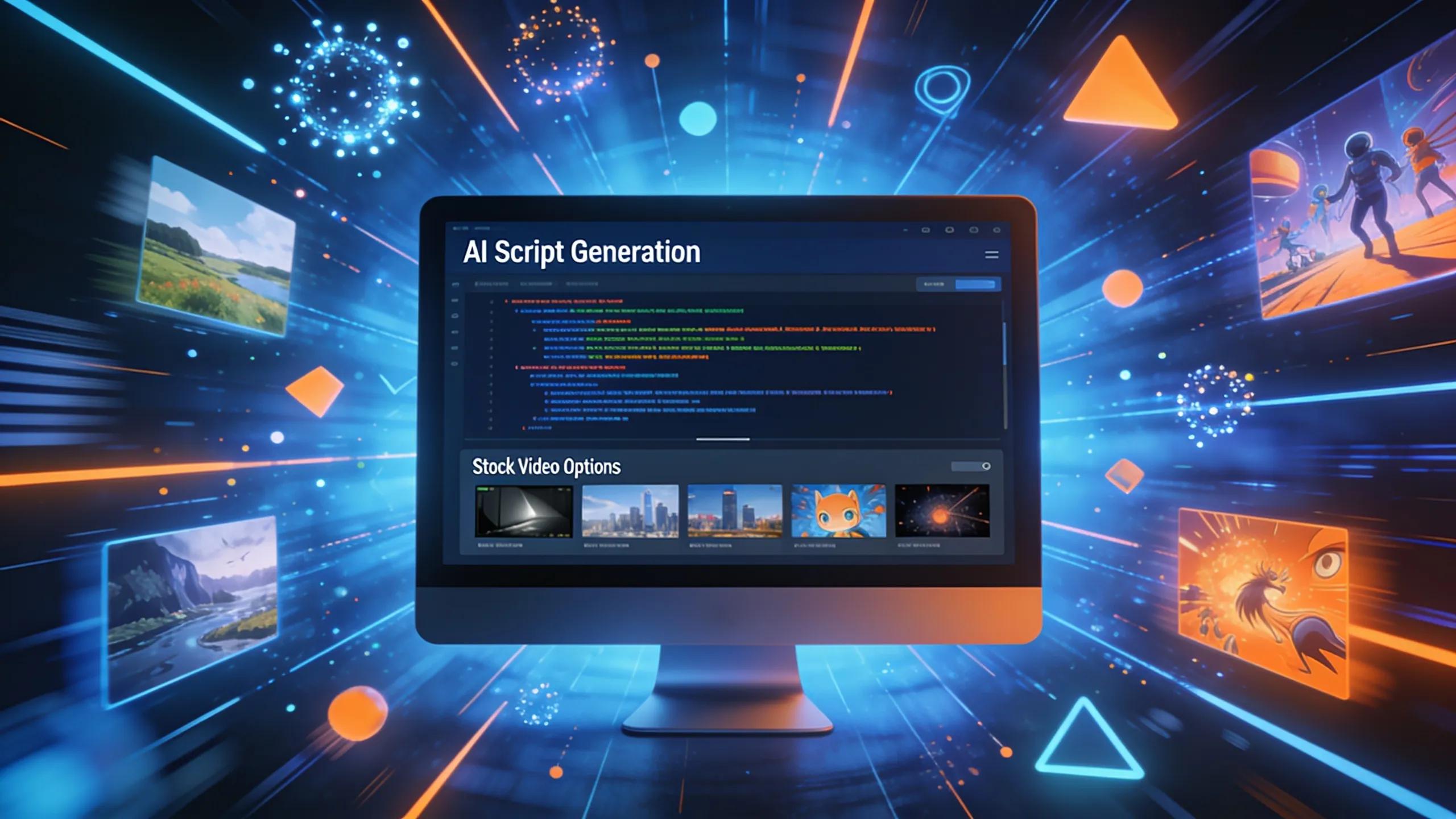
AI supports multiple methods for producing faceless videos. The following techniques are practical and repeatable for short‑form content:
- Script Generation Techniques: By utilizing AI-powered script generators, creators can quickly develop video narratives that capture audience interest. This tool streamlines the brainstorming process and helps maintain creativity.
- Visual Content Creation: Embrace animated visuals, stock videos, or dynamic graphics to represent ideas creatively without needing to film personally. Many platforms offer extensive libraries of stock media suitable for TikTok.
- Voice Synthesis Technology: Implement voice synthesis tools that generate lifelike narration, providing an engaging auditory experience for viewers while keeping the creator’s identity hidden.
These methods increase productivity and allow creators to prioritise content quality while maintaining anonymity. Faceless video production is gaining adoption.
Best Practices for Content Automation

Optimising automation requires a set of practical practices that improve workflow and audience response. Key recommendations focus on brand consistency, engagement, and measurement.
- Consistency in Branding: Ensure a uniform style across all videos to foster brand recognition. This includes maintaining similar colors, fonts, and voice styles in narrations.
- Engagement Strategies: Utilize interactive elements such as polls or questions within videos to promote viewer participation, thus increasing engagement rates.
- Performance Analysis Methods: Regularly assess video performance using TikTok analytics to understand what works best and refine future content accordingly.
Applying these practices helps maintain production quality while automating routine tasks.
What Are Faceless TikTok Videos and Why Use AI to Create Them?
Faceless TikTok videos communicate messages or stories without showing the creator’s face, which preserves anonymity and focuses viewer attention on the content. AI technologies automate scriptwriting, editing, and audio production, reducing the time and effort required to produce each video.
How Does AI Enable Faceless Video Creation on TikTok?
AI enables faceless video production by generating scripts, synthesizing voiceovers, and assisting with editing and assembly. These capabilities simplify the process of creating engaging short videos without appearing on camera.
What Benefits Does Faceless Video Marketing Offer for Creators and Brands?
Faceless video marketing delivers clear benefits:
- Anonymity for Creators: Content creators can produce videos without revealing their identities, which is beneficial for personal privacy.
- Focus on Content: By eliminating the need for personal presentation, creators can dedicate more time to the quality and creativity of their messages.
- Reduced Production Time: Automation tools aid in fast-tracking the creation process, allowing for more frequent posts.
These advantages demonstrate the practical value of adopting faceless video strategies.
Which AI Tools and Features Optimize Faceless TikTok Video Production?
Several AI tools are particularly useful. Look for features that automate scripts, produce realistic voiceovers, and simplify editing to speed production while maintaining quality.
- Script Automation: Tools that generate video scripts based on user preferences and trending topics.
- Voice Over Capabilities: AI that creates realistic vocal tracks to enhance viewer engagement without personal involvement.
- Editing Solutions: User-friendly software that assembles footage quickly and efficiently with minimal user input.
These features support the rapid production of content that fits TikTok’s format and user expectations.
How Does Syllaby’s AI Video Script Generator Simplify Content Creation?
Syllaby’s AI Video Script Generator automates scriptwriting to produce tailored scripts aligned with TikTok themes and trends. The tool reduces brainstorming time and helps maintain a steady output of high‑quality scripts.
What TikTok Automation Tools Support Zero-Editing Faceless Video Workflow?
Some automation platforms enable a zero‑editing workflow by providing scheduled posting, automatic content suggestions, and fast feedback loops for refining ideas. These tools let creators focus on strategy and concepts rather than manual editing.
How to Create Faceless TikTok Videos Step-by-Step Using AI Platforms?
The faceless video workflow can be organised into clear, repeatable steps to streamline production.
What Are the Essential Steps in AI Script Generation and Video Assembly?
- Define Your Concept: Outline the primary message or theme for your video.
- Use a Script Generator: Input your concept into an AI script generator to create a dynamic script.
- Select Visuals: Choose relevant stock images, animations, or clips that align with your script.
- Record Voiceover: Use a voice synthesis tool to create narration based on your generated script.
- Assemble and Publish: Utilize video automation software to compile your visuals and audio into a cohesive video.
This workflow enables consistent production of engaging faceless videos with predictable effort and output quality.
How to Customize and Personalize Videos Without Manual Editing?
Use automated templates and AI recommendations to customise videos without manual editing. Platforms with customisable assets let creators adapt styles efficiently while maintaining distinct elements that preserve brand identity.
What Industry Use Cases Demonstrate the Effectiveness of AI Faceless Videos?
Faceless videos are effective across sectors such as education, entertainment, and product marketing, where they support marketing goals and audience engagement without requiring on‑camera talent.
How Do Marketers and Content Creators Leverage Faceless Videos for Lead Generation?
Marketers use faceless videos to engage prospects and collect leads through interactive formats. Offering informative content or product demonstrations in a faceless format encourages viewer action without needing personal exposure.
Which Business Sectors Benefit Most from AI-Powered TikTok Automation?
Several sectors thrive with AI-powered TikTok automation, including:
- Retail: Brands showcase products through captivating visuals and automated videos.
- Education: Informational channels utilize faceless videos to deliver online learning without personal interaction.
- Fitness: Trainers share workout routines via engaging video formats that maintain viewer anonymity.
These sectors illustrate practical applications of AI-driven faceless video strategies.
What Common Questions Do Users Have About Creating Faceless TikTok Videos with AI?
Users commonly raise questions about how to produce, measure, and optimise faceless TikTok content using AI tools.
Can You Really Make TikTok Videos Without Showing Your Face?
Yes. By combining AI scriptwriting, voice synthesis, and automated assembly, creators can publish TikTok videos while remaining anonymous.
How Effective Is AI Video Automation Compared to Manual Editing?
AI automation often outperforms manual editing on speed and consistency, enabling creators to deliver high‑quality content with less time spent on technical tasks.
How to Monitor and Optimize Your AI-Generated Faceless TikTok Video Performance?
Monitor performance through TikTok analytics—track views, engagement, and audience retention—and use those metrics to guide targeted improvements across future content.
Which Metrics Track Engagement and Lead Generation Success?
Key metrics for engagement and lead generation include:
- View Count: Total views indicate overall reach and exposure.
- Engagement Rate: This metric measures likes, comments, and shares per video.
- Conversion Rate: Tracking how many viewers take action after watching, such as visiting a website or signing up for a newsletter.
These metrics provide clear insight into how content resonates and drives desired outcomes.
How to Use Data to Improve Future Faceless Video Campaigns?
Analyse past campaign data—audience preferences, trending topics, and engagement patterns—to refine topics, formats, and posting cadence for better results.
Frequently Asked Questions
What are the main challenges of creating faceless TikTok videos with AI?
The main challenges include learning to use multiple AI tools effectively and ensuring the content remains compelling without a personal presence. Creators may need to refine script quality, choose suitable visuals, and apply engagement tactics. Ongoing adaptation to platform trends and tool updates is also necessary to keep content relevant.
Can faceless TikTok videos still achieve high levels of engagement?
Yes. With strong visuals, clear narrative scripts, and interactive elements such as polls or prompts, faceless videos can achieve high engagement. Success depends on alignment with viewer interests and timely trends rather than the creator’s appearance.
How can AI tools enhance creativity in faceless video production?
AI reduces time spent on routine tasks like script drafting and assembly, freeing creators to focus on concepts and storytelling. Features such as trend analysis and content suggestions support idea generation and help maintain fresh, relevant output.
What steps can be taken to ensure a unique style in faceless videos?
Establish a consistent visual identity—colours, fonts, and audio styles—and add unique animated elements or custom graphics. Combining diverse AI tools while maintaining a clear brand template preserves recognisability and distinctiveness.
How can creators measure the success of their AI-generated faceless videos?
Track engagement rates, view counts, and conversion metrics using TikTok’s analytics. Regularly review these indicators to identify which formats and topics perform best and adjust strategy accordingly.
How often should creators post faceless videos to maintain audience interest?
Post consistently, ideally several times per week if resources allow, while prioritising quality. High frequency with low quality can weaken audience trust; balance cadence with content standards to sustain interest.
Conclusion
AI enables creators to produce faceless TikTok videos quickly while protecting privacy. Script automation, voice synthesis, and editing tools improve productivity and support consistent, high‑quality output. Apply these methods to strengthen your TikTok strategy and explore available AI tools to streamline production.