






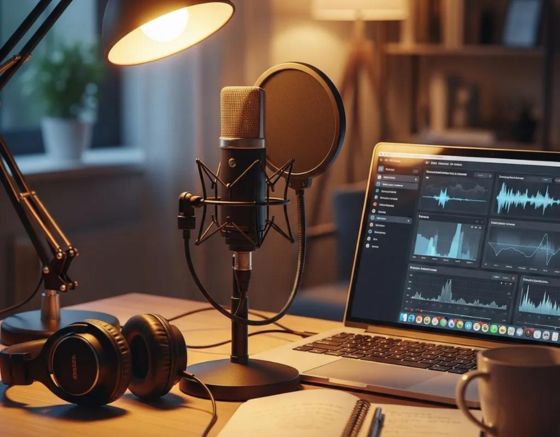
Voice cloning technology is reshaping podcast production by enabling creators to produce high-quality audio with greater efficiency. This article explains how AI voice cloning works, its practical benefits and applications for podcasting, and the customization options available. It also outlines how platforms like Syllaby can support production workflows. By the end, you will have a clear understanding of how to apply voice cloning and other AI content tools effectively.
What Is AI Voice Cloning Technology and How Does It Enhance Podcast Narration?
AI voice cloning creates a synthetic voice that replicates a speaker’s tone, pitch and inflection. It improves podcast narration by producing realistic audio without extensive recording sessions. Using advanced algorithms and machine learning, voice cloning generates high-quality, listener-friendly speech. Creators can also generate multiple voice models for characters or narrators to enhance storytelling.
Further research examines the broader landscape of voice cloning, categorizing its forms and assessing their evolving impact.
VoiceCloning Software: Open Source, Proprietary, and Future Impact
The article analyses developments in audio deepfake and voice cloning technologies across open-source and proprietary software, identifies growth areas and common challenges, and evaluates potential sector impacts. The findings indicate that audio deepfakes enable highly convincing imitations of specific voices and that the technology can be grouped into imitation-based, synthetic-based, and voice-cloning approaches. Open source and proprietary software for audio deepfakes and voice cloning: Growth areas, pain points, future influence, V Danylov, 2024
How Does AI Voice Synthesis Work for Podcasts?
AI voice synthesis converts text to speech through several stages. The system analyses text, segments it into phonemes and linguistic elements, and then applies deep learning models to generate audio waveforms that mirror human speech patterns. This process supports varied voice styles and accents, enabling podcasts to present diverse vocalisations while maintaining listener engagement.
Recent advances, especially in real-time voice cloning, demonstrate marked improvements in the precision and speed of human voice replication.
Real-Time Voice Cloning: AI for Instant Human Voice Replication Advances in AI and auditory systems have increased the precision, speed and data efficiency of modern voice cloning techniques. Real-Time Voice Cloning (RVC) represents a notable shift, enabling near-instantaneous emulation of voice nuances from only a few seconds of sample audio. This capability marks a clear improvement over earlier, less natural synthesis methods. Real-Time Voice Cloning: Artificial Intelligence to Clone and Generate Human Voice, P Sharma, 2024
What Are the Key Benefits of Using Voice Cloning Technology in Podcast Production?
- Realistic Narration : AI-generated voices can deliver a natural-sounding narration that enhances the overall quality of the podcast.
- Cost and Time Efficiency : By reducing the need for multiple recording sessions, creators can save both time and resources.
- Consistency in Voice : Voice cloning ensures that the same voice can be used across different episodes, maintaining a cohesive auditory experience.
These benefits make voice cloning a practical option for podcasters seeking to streamline production and maintain consistent quality.
Recent studies highlight AI integration’s potential for efficiency gains, cost reduction and improved accessibility in podcasting.
AI in Podcasting: Opportunities for Efficiencyand Accessibility
The findings indicate that AI integration in podcasting can deliver time, effort and cost savings. Specific improvements include enhanced sound quality, noise reduction, tone adjustment, and expanded reach through translation and transcription services, which also increase accessibility for visually impaired and deaf audiences. Integrating artificial intelligence in the podcast industry in the Sultanate of Oman: Opportunities, challenges and ethical considerations, MN Al-Suqri, 2025
How Can Content Creators Personalize AI Voices for Engaging Podcast Narration?

Personalising AI voices is important for engaging podcast content. Creators can adjust voice parameters to align with the episode’s tone and audience expectations. The following options illustrate common personalisation approaches:
- Diverse Voice Styles : Creators can choose from a variety of voice styles to match the tone of their content.
- Tone and Emotion Adjustment : AI voices can be fine-tuned to convey different emotions, making the narration more relatable.
- Pacing Control : Adjusting the speed of the narration allows for better alignment with the content’s pacing, improving listener comprehension.
These personalisation capabilities allow podcasters to craft distinct audio experiences that better resonate with their audience.
What Options Are Available for Customizing AI Voice Cloning?
Several customization options are available to improve the podcasting outcome and ensure the voice matches the show’s requirements:
- Use of Own Voice : Some platforms allow users to create a voice model based on their own voice, ensuring authenticity.
- Voice Settings Adjustment : Creators can modify pitch, speed, and tone to better fit their content style.
- Multiple Languages : AI voice cloning technology supports various languages, making it accessible for a global audience.
These features enable podcasters to produce audio that is both engaging and tailored to specific listener groups.
How Does Personalization Improve Audience Engagement in Podcasts?
Personalisation enhances engagement by aligning content with listener preferences and expectations. Tailored voices and delivery styles can strengthen the listener connection and improve retention. Key results include:
- Tailoring Content to Audience Needs : Understanding the audience’s preferences allows for more relevant content delivery.
- Building a Loyal Following : Engaging narratives that resonate with listeners encourage repeat listenership.
- Establishing Thought Leadership : Unique and personalized content positions creators as authorities in their niche, attracting a dedicated audience.
Together, these elements support higher engagement and can contribute to measurable podcast growth.
How Does AI Voice Cloning Support Scalable and Efficient Podcast Production?
AI voice cloning increases scalability and efficiency by automating narration and reducing manual workload. This enables faster content production while preserving quality. Primary advantages include:
- Cost Savings : Reducing the need for professional voice actors lowers production costs.
- Time Efficiency : AI-generated voices can produce content in a fraction of the time it takes to record manually.
- Quality Control : Consistent voice quality ensures that all episodes meet the same high standards.
These benefits make AI voice cloning a valuable tool for creators seeking to scale operations without compromising standards.
In What Ways Does Automation Reduce Time and Cost in Podcast Creation?
Automation streamlines production tasks, delivering measurable reductions in time and cost. Core areas of impact include:
- Streamlining Production Steps : Automated systems can handle repetitive tasks, allowing creators to focus on content quality.
- Reducing Manual Labor : By minimizing the need for manual recording and editing, creators can allocate resources more effectively.
- Enhancing Productivity : Automation enables faster turnaround times, allowing for more frequent content releases.
These efficiencies help creators maintain a competitive edge in a fast-moving podcast market.
How Can AI Platforms Manage Large Volumes of Podcast Content?
AI platforms manage large content volumes using structured management tools and automation. Typical features include:
- Automated Idea Discovery : AI can analyze trends and suggest topics based on audience interests.
- Content Calendar Management : Scheduling tools help creators plan and organize their content effectively.
- Bulk Scheduling : AI platforms can automate the release of multiple episodes, ensuring consistent content delivery.
These capabilities enable creators to scale output while keeping production organised and predictable.
What Additional Features Do AI Content Creation Platforms Offer Beyond Voice Cloning?
AI content platforms include features that extend beyond voice cloning to support end-to-end production. Common additions include:
- Stock Media Assets : Access to a library of images, videos, and sound effects to enrich podcast content.
- AI-Generated Voiceovers : The ability to create voiceovers for various media formats, not just podcasts.
- Real-Time Collaboration : Tools that facilitate collaboration among team members, improving workflow efficiency.
These supplementary features expand a creator’s production capabilities and streamline workflows.
How Can AI Tools Enhance Social Media Content Using Voice Synthesis?
AI voice synthesis can raise the quality and effectiveness of social media content through several mechanisms. Key enhancements include:
- Natural-Sounding Narration : AI-generated voices can create engaging audio snippets for social media promotion.
- Professional-Quality Videos : Integrating voice synthesis into video content elevates the overall production quality.
- Consistency in Tone : Maintaining a consistent voice across platforms helps reinforce brand identity.
These improvements help creators produce polished social media assets that capture audience attention.
What Are the Integration and Workflow Benefits of Using an AI Content Platform?
Integrating an AI content platform into podcast workflows delivers operational benefits that improve throughput and control. Key advantages include:
- Reduced Friction : Streamlined processes minimize obstacles in content creation and distribution.
- Increased Throughput : Enhanced efficiency allows for the production of more content in less time.
- Cost Control : By automating various tasks, creators can manage their budgets more effectively.
These integration benefits support a more efficient and productive production environment.
What Ethical and Legal Considerations Should Podcast Creators Know About AI Voice Cloning?

As voice cloning adoption grows, creators must address ethical and legal obligations. Important considerations include:
- Consent : Creators must obtain consent from individuals whose voices are being cloned.
- Disclosure : Transparency about the use of AI-generated voices is essential to maintain audience trust.
- Attribution : Proper attribution should be given to AI-generated content to avoid misrepresentation.
Awareness and compliance with these considerations are fundamental to responsible podcasting.
Is AI Voice Cloning Legal and What Are the Usage Guidelines?
AI voice cloning is legal in many jurisdictions, but creators must follow specific usage guidelines and local regulations. Key factors to consider include:
- Consent Requirements : Obtaining permission from voice subjects is necessary to avoid legal issues.
- Transparency : Clearly disclosing the use of AI voices helps maintain ethical standards.
- Legal Compliance : Familiarity with local laws regarding AI-generated content is essential for creators.
Adhering to these practices helps podcasters navigate the legal and ethical landscape of voice cloning.
How Can Creators Ensure Ethical Use of AI Narration Tools?
To ensure ethical use of AI narration tools, creators should adopt clear processes and safeguards. Recommended actions include:
- Obtain Consent : Always seek permission from individuals whose voices are being cloned.
- Disclose Synthetic Elements : Be transparent with audiences about the use of AI-generated content.
- Human Review : Implement a review process to ensure the quality and appropriateness of AI-generated material.
Implementing these measures promotes ethical standards and helps maintain audience trust.
How Do Pricing and Subscription Plans Affect Access to AI Voice Cloning for Podcasts?
Pricing and subscription models determine the level of access creators have to voice cloning features. Consider the following when evaluating options:
- Subscription Tiers : Different pricing tiers offer varying levels of access to features and capabilities.
- Credit-Based System : Some platforms operate on a credit system, allowing users to pay for specific services as needed.
- Flexibility in Usage : Creators should evaluate plans that offer flexibility to accommodate their production needs.
Understanding pricing structures helps podcasters select the plan that aligns with their production requirements and budget.
What Are the Typical Pricing Models for AI Voice Cloning Software?
AI voice cloning platforms commonly use several pricing approaches. Typical models include:
- Credit-Based Pricing : Users purchase credits to access specific features or services.
- Cost Per Service : Some platforms charge based on the services utilized, such as voice generation or editing.
- Subscription Options : Monthly or annual subscriptions provide access to a suite of features at a fixed cost.
These models enable creators to choose the payment structure that best matches their usage patterns and budget constraints.
How Can Users Choose the Right Subscription Plan for Their Podcast Needs?
Choosing a subscription plan requires evaluating production needs, budget and trial availability. Key steps include:
- Assess Content Needs : Evaluate the volume and type of content to determine the necessary features.
- Evaluate Budget : Consider financial constraints and choose a plan that aligns with your budget.
- Consider Trial Availability : Many platforms offer trial periods, allowing users to test features before committing.
Careful assessment of these factors enables creators to make an informed subscription choice.
To explore the full potential of AI in content creation, consider visiting Syllaby’s industry-specific solutions.
If you are considering AI voice cloning for your podcasts, review how the technology works and the benefits it can provide to your production process.
For inquiries or support, please contact us to learn how AI can support and optimise your content creation workflow.
Reviewing the pricing and subscription options is essential for selecting the solution that best fits your podcasting needs.
Frequently Asked Questions
What are the potential risks associated with using AI voice cloning in podcasts?
AI voice cloning presents risks such as misuse for misinformation or impersonation, consent-related issues, and potential audience backlash if listeners feel misled. Podcasters must manage these risks proactively to preserve trust and integrity.
How can podcasters ensure the quality of AI-generated audio?
Ensure quality through a formal review process that includes listening tests and parameter adjustments. Use platforms with robust customisation options for pitch, tone and pacing, incorporate human oversight in editing, and keep software and training data updated to improve output quality.
What are the best practices for integrating AI voice cloning into existing podcast workflows?
Integrate AI by first assessing current production processes to identify value-add areas, such as automating narration or editing. Establish clear usage and disclosure guidelines, train staff on the tools, and implement regular feedback loops to refine deployment.
How does AI voice cloning impact the diversity of voices in podcasting?
AI voice cloning can broaden available voice styles, accents and languages, enabling more diverse representation and richer storytelling. Creators should respect cultural sensitivities and avoid stereotypes when selecting or designing voice models.
What are the limitations of current AI voice cloning technology?
Current limitations include difficulty fully reproducing the emotional nuance and spontaneity of human speech, challenges with complex dialects or linguistic structures, and persistent ethical concerns about consent and misuse. Addressing these issues remains important as the technology matures.
Can AI voice cloning be used for languages other than English?
Yes. Many platforms support multiple languages, which helps creators reach global audiences. Quality and accuracy depend on the language and available training data, so testing in target languages is advisable before wide deployment.
Conclusion
AI voice cloning can enhance podcast production by delivering realistic narration, reducing time and cost, and maintaining consistency across episodes. Understanding its benefits and customization options enables creators to engage audiences more effectively. Visit our platform to explore tailored solutions and evaluate how AI can support your content production goals.