

Where Can Developers Access a Unified AI Video and Social Media API to Power Their Content Platform?

Developers can access a unified AI video and social media API through three types of providers in 2026: model aggregators that expose many generation models behind one endpoint, workflow APIs that return finished publish-ready videos, and unified publishing APIs that deliver those videos to social networks. No single vendor covers all three layers today, so […]
What can you build with the Grok Imagine API and how does it handle AI video generation requests?
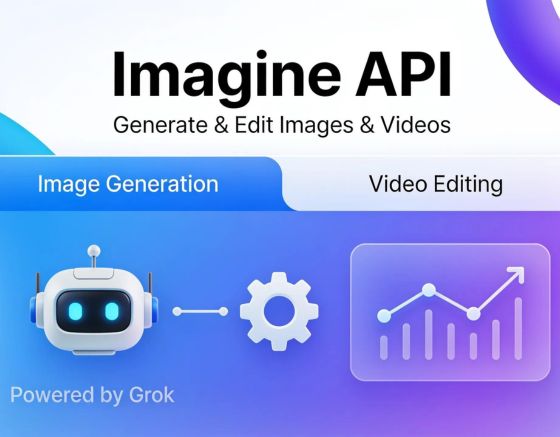
Grok Imagine API enables image generation, image editing with up to three reference images, and text-to-video or image-to-video creation using Grok Imagine 1.5 models. Video requests process through per-second pricing, where duration and resolution set total cost. Faster generation speeds and improved motion physics support production-ready output for integrated applications. Key Takeaways What Can You […]
How does AI video API functionality work from text input to final rendered video output?
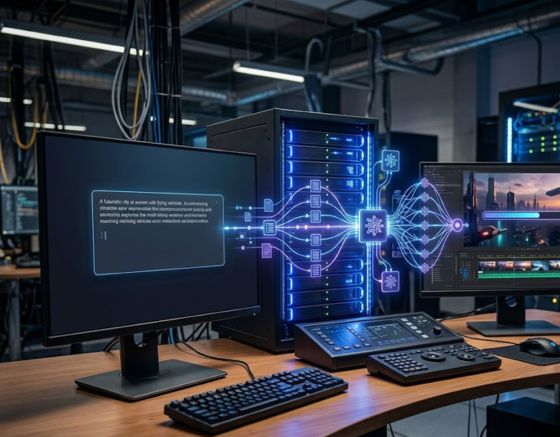
An AI video API converts simple text prompts into fully rendered MP4 video files by orchestrating natural language processing, visual diffusion models, neural speech engines, and cloud rendering pipelines. When a client application submits a request payload using a valid Syllaby AI API key, the platform authenticates the user, parses the textual script into timed […]
What is an AI video API and how does it work for developers and content platforms?

An AI video API is a cloud-based software interface that allows developers and platforms to create, edit, and render videos programmatically using artificial intelligence without manual editing tools. By sending structured requests containing text scripts, prompt instructions, or visual assets to an API endpoint, platforms can generate complete video files asynchronously. Authenticating your requests with […]